
Stories — Voyazure
Winter arrives quietly in Kyoto.
It does not shout with storms or heavy snow; it settles like a thin veil over temple roofs, over still ponds, over narrow wooden streets where the day begins slow and thoughtful. The city moves differently in the colder months — almost as if time is encouraged to stretch.
On a winter morning, Kyoto feels like a place between two breaths.
The air is crisp enough to sharpen sound: the soft clack of a bicycle passing on a quiet lane, the distant rustle of bamboo in Arashiyama, the faint echo of a monk’s chant rising from behind old wooden doors. These are the details that define the season — not spectacle, but presence.
Where the light falls differently
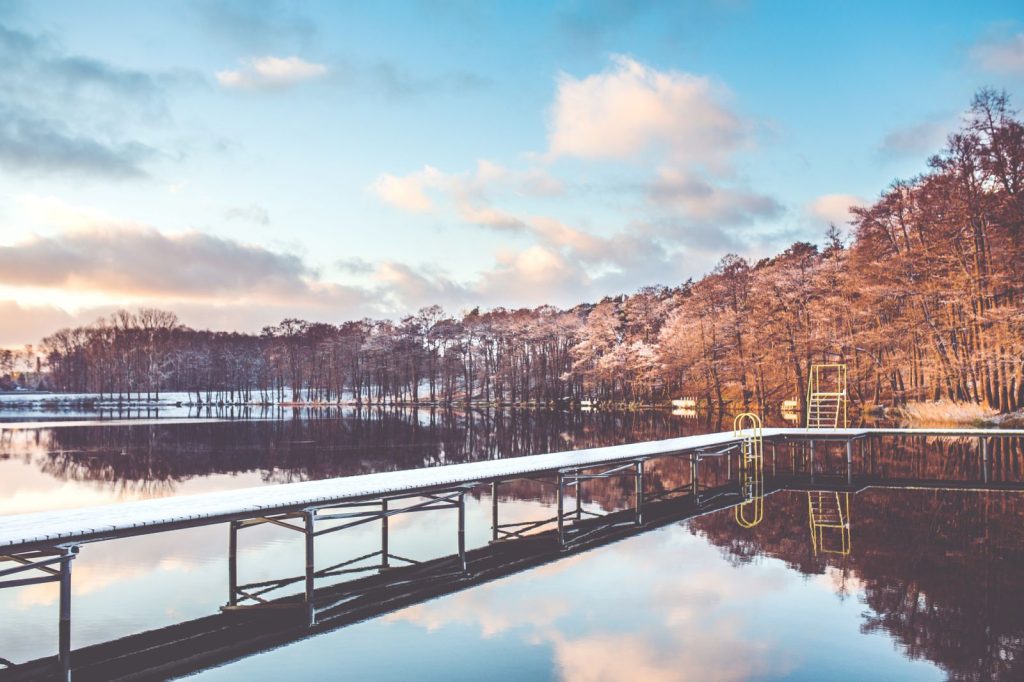
In districts like Higashiyama, the early light glides across stone steps that have been worn smooth by centuries of pilgrims. The sun rises slowly, filtered through the winter haze, catching the edges of tiled roofs and casting long shadows across the alleys. Even familiar places like Kiyomizu-dera feel altered; winter softens their grandeur and reveals their outlines with more honesty.
Passing through the pathways leading up to the temple, visitors often pause not for photographs, but for silence — as if trying to sense the city’s deeper rhythm. Winter has a way of exposing what Kyoto usually hides behind its summer crowds: a quiet sincerity.
The stillness inside the temples
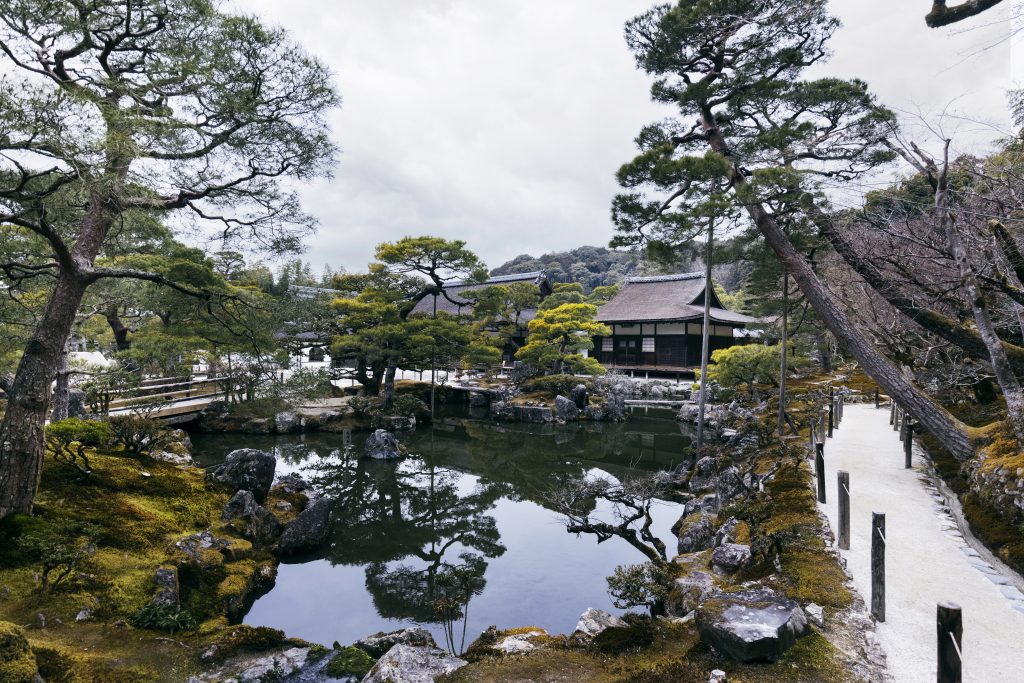
In the colder months, temple gardens offer rare space. The sand of the Zen gardens seems even more deliberate when untouched by footsteps; every rake line becomes a statement about precision and calm. Moss gardens hold droplets of morning frost that reflect the sky like small mirrors. The ponds in places like Ginkaku-ji lie motionless, turning reflections into near-perfect illusions.
Monks light incense that rises into the cold air in thin, unwavering streams. Visitors sit on wooden verandas, hands tucked into their sleeves, letting the stillness settle. It’s not meditation in the formal sense — more a quiet observation, the kind that only winter allows. Kyoto teaches stillness not by instruction, but by atmosphere.
Arashiyama before the world wakes
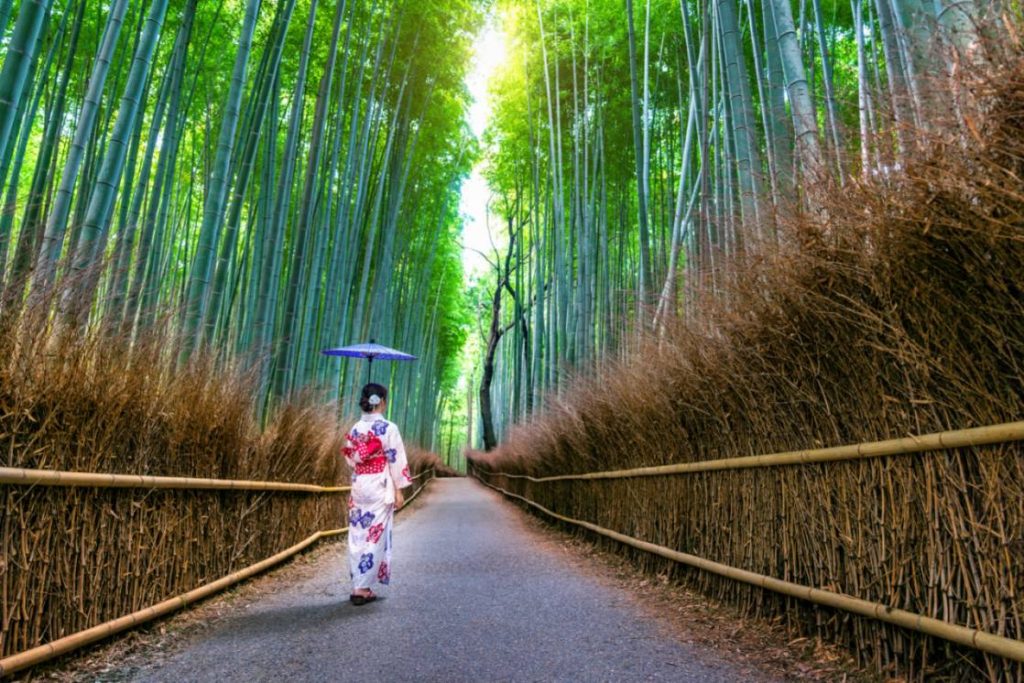
Before midday, Arashiyama is a different world. The bamboo forest, often crowded in warmer seasons, becomes almost otherworldly under winter’s pale light. The bamboo shoots sway gently but soundlessly, as if the cold makes everything more careful. Even the small shrine at the edge of the grove seems to breathe with the rhythm of the season.
Down by the Katsura River, the boats rest, their wooden frames beaded with dew. Mist hovers over the surface of the water, slowly dissolving as the sun climbs. The mountains surrounding Arashiyama take on muted shades — soft greys, faded greens — as if winter chooses to speak in pastels.
Travelers who walk these paths in winter often sense a kind of spaciousness, as if the landscape has stepped back to give them room.
Streets that feel like memory
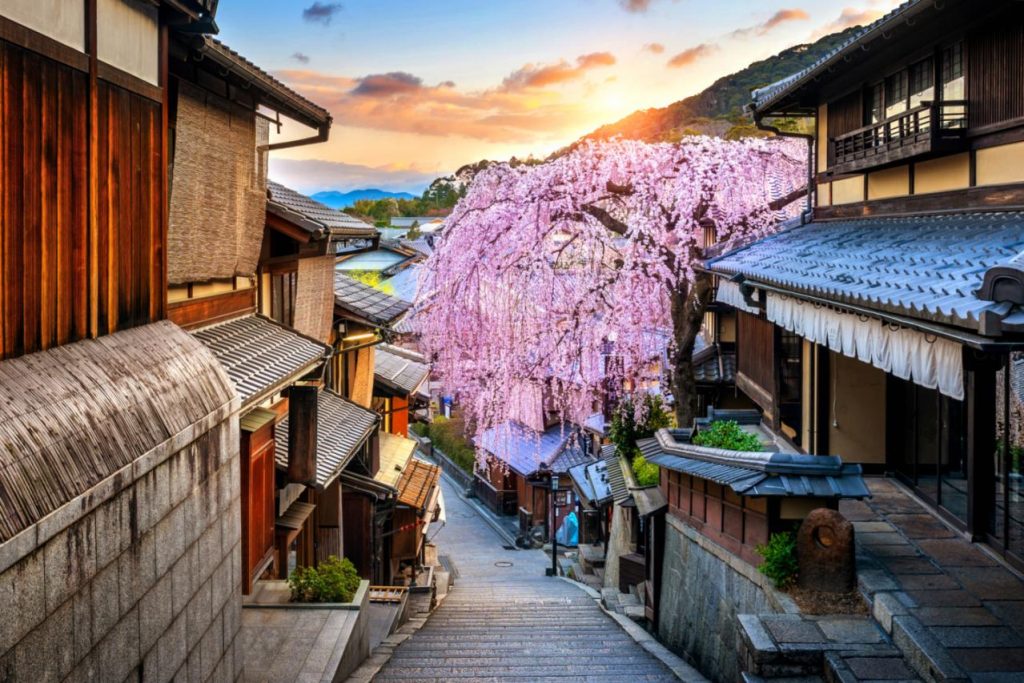
In Gion, winter changes the character of the traditional wooden townhouses. The machiya facades, darkened by age and cold air, seem to absorb sound. The smell of charcoal from a tea house drifts slowly through the alleys. A noren curtain sways lightly at the entrance of a small restaurant.
Without crowds, the district feels closer to its past. Footsteps on stone carry farther. Conversations slip softly between doorways. Even the lighted lanterns outside the ochaya appear to glow with more intention.
The beauty here isn’t cinematic; it’s intimate.
A city shaped by small rituals
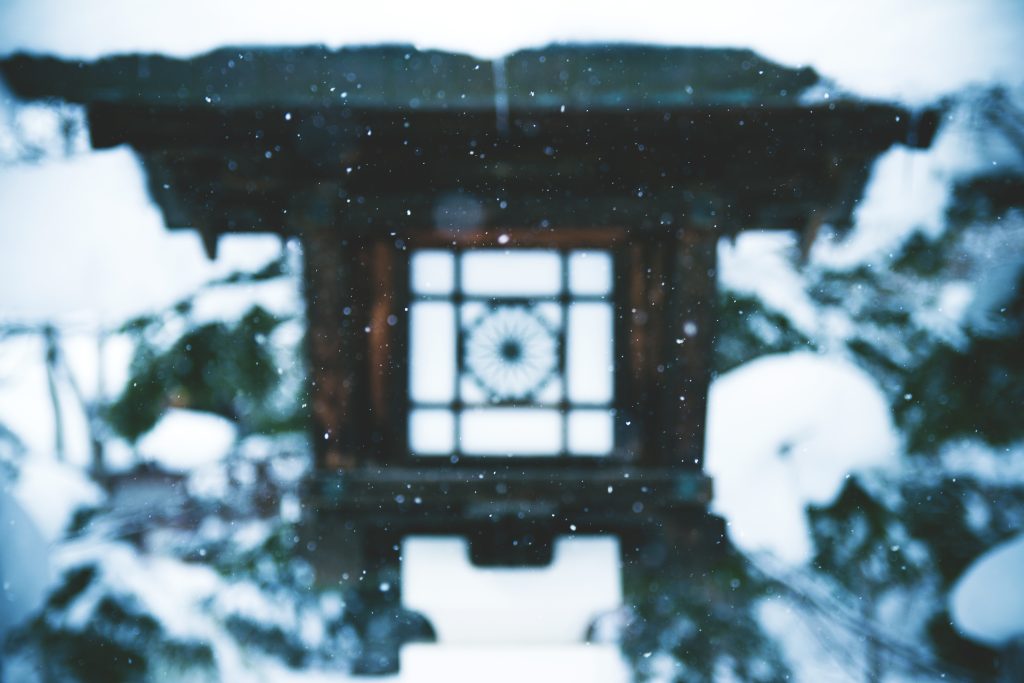
Kyoto’s winter charm is not built from dramatic scenes but from small, consistent gestures:
- The warmth of miso soup served in lacquer bowls.
- The steam rising from yudofu in a tiny temple restaurant.
- The rustle of silk as someone adjusts a kimono before stepping outside.
- The scent of roasted tea drifting from a shop in Nishiki Market.
These quiet rituals reveal a deeper truth about Kyoto: the beauty is not added — it is preserved.
When snow finally arrives
Snow in Kyoto is rare, but when it comes, the city becomes an ink painting.
Kinkaku-ji, coated with a thin layer of white, looks almost unreal, as if floating. The gardens of Ninna-ji soften under the snow, and the temple roofs of Nanzen-ji appear to fold into the sky.
Travelers who witness snow here often describe it as a moment out of time — not because it is dramatic, but because it is fleeting.
Winter in Kyoto is defined by what passes gently.
Why winter reveals the city’s true nature
Without summer crowds or autumn’s intense color, Kyoto in winter stands in its purest form — a city shaped by patience, subtlety, and the spaces between things. This is the season when its cultural depth is easiest to feel:
- Temples regain their sense of stillness.
- Gardens reclaim their quiet geometry.
- Streets slow into memory.
- Craft, food, and tradition come forward in understated ways.
Kyoto in winter invites a different kind of traveler — someone who values atmosphere over agenda, and quiet beauty over spectacle.
Final thought
In winter, Kyoto becomes not a destination, but an experience of time.
A place where the world doesn’t ask for attention — it simply offers space.
And sometimes, that is the most meaningful form of travel.