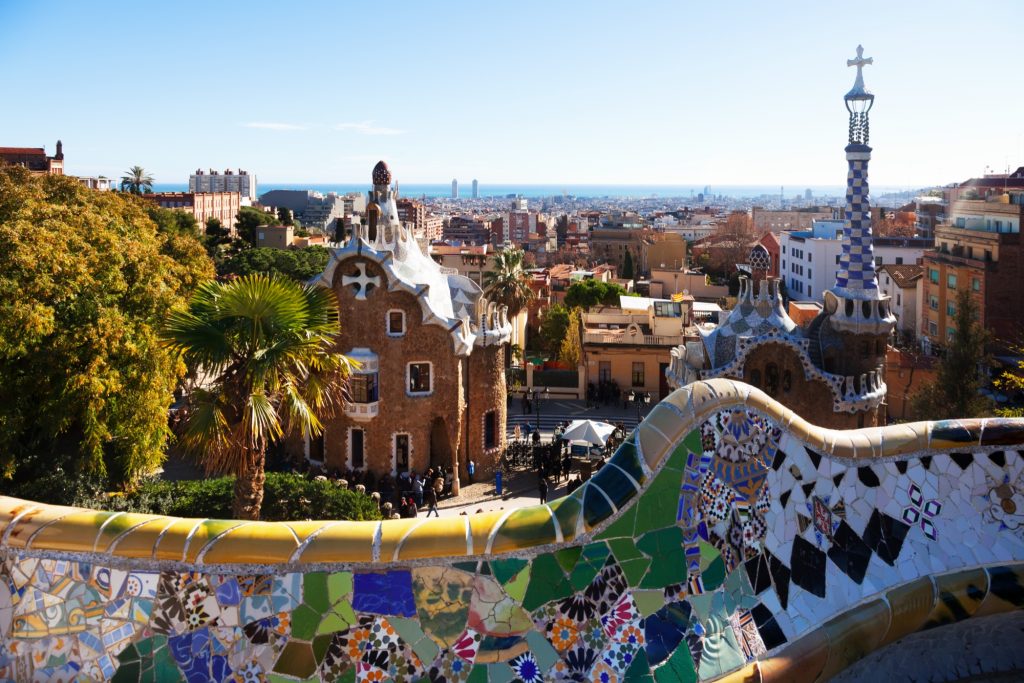
Barcelona is known across the world for Gaudí’s masterpieces, the bustle of Las Ramblas, and the beach life of Barceloneta. Yet the soul of the city lies not in its postcard icons but in the neighborhoods where daily life unfolds. Beyond the skyline, Barcelona reveals itself as a mosaic of communities, each with its own rhythm, traditions, and character. To understand the city fully, one must step into these districts, where creativity, history, and culture thrive away from the main boulevards.
Gràcia: The Village Within the City
Tucked just north of the city center, Gràcia still feels like a small town absorbed by the metropolis. Its narrow streets converge on leafy plazas—Plaça del Sol, Plaça de la Vila de Gràcia—where residents gather at terraces for coffee, vermouth, or late-night conversations. Here, life happens outdoors, and community spirit remains strong.
Gràcia is also home to the Festa Major, one of Barcelona’s most beloved festivals. Each August, neighbors decorate entire streets with elaborate handmade installations, turning the district into a surreal gallery of creativity. Music, food, and celebration fill the air for a week, showcasing the neighborhood’s independent spirit.
Boutique shops, artisan workshops, and vegetarian cafés line the streets. The district attracts artists, students, and families, creating a bohemian yet authentic atmosphere. It feels intimate, lived-in, and distinct from the tourist bustle of the Gothic Quarter.
El Born: Medieval Streets and Artistic Energy
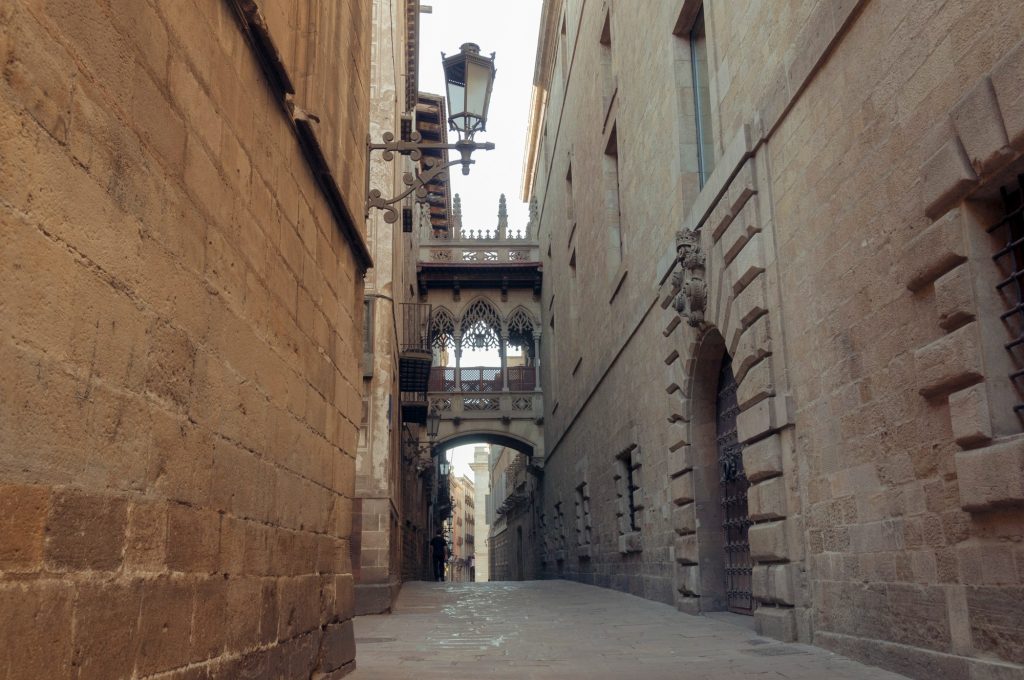
South of the Gothic Quarter lies El Born, where medieval lanes weave around the impressive Santa Maria del Mar church. Once a medieval trading hub, El Born today is a blend of heritage and contemporary style.
The district is home to the Picasso Museum, housed in five medieval palaces. Galleries, design boutiques, and artisan studios thrive here, continuing the tradition of artistry. By evening, wine bars and tapas restaurants spill into the streets, creating a sophisticated but relaxed nightlife.
History is ever-present. The Born Cultural Center, built over an excavated 18th-century neighborhood, reveals the story of Barcelona during the War of Succession. Walking here feels like moving between centuries, with layers of history and artistry coexisting in the same streets.
Poblenou: From Factories to Creativity
To the east lies Poblenou, a neighborhood once dominated by factories and warehouses. Over the past two decades, it has reinvented itself as one of Barcelona’s most creative quarters. Industrial buildings have been converted into studios, galleries, and co-working spaces. Street art colors the walls, and festivals celebrate innovation and design.
The wide avenues lead toward the city’s newer beaches, offering a blend of urban energy and coastal relaxation. Cafés with minimalist design, experimental restaurants, and concept stores cater to a new generation that sees Poblenou as a canvas for reinvention.
The 22@ District, Barcelona’s innovation hub, anchors this transformation. Technology companies, startups, and design studios operate here, adding a modern dimension to a neighborhood rooted in industrial history.
Living Barcelona Beyond the Icons
Exploring these neighborhoods offers a different rhythm of travel. Instead of queuing for landmarks, visitors find themselves seated at a shaded plaza café, listening to conversations in Catalan. Instead of crowds on Las Ramblas, they wander down quiet streets where locals shop for fresh produce or handcrafted goods.
These districts reveal the everyday Barcelona that residents know and love. They are places of community, resilience, and creativity—where the city’s future is being shaped as much as its past is preserved.
Practical Guidance
- When to Visit: Spring and autumn offer mild weather and lively neighborhood festivals. Summer brings energy but also higher demand.
- Getting Around: All neighborhoods are accessible by metro or walking; Gràcia lies slightly uphill, while Poblenou stretches toward the sea.
- Accommodation: Boutique hotels and apartment rentals place travelers directly within these districts, offering a more local experience.
- Cultural Etiquette: Catalan identity is strong in these areas; learning a few words of Catalan (like “Bon dia”) is appreciated.