
Not all adventures begin with motion.
Some begin with silence — and few places in the world understand this truth better than Bhutan.
Hidden between the giants of India and China, the “Land of the Thunder Dragon” isn’t a destination for the restless. It’s a country that insists you slow down — not to disconnect, but to connect differently.
In a world obsessed with speed, Bhutan feels like a pause long enough to hear yourself breathe.
A Kingdom Shaped by Happiness
Bhutan is the only country in the world that measures progress not by GDP, but by Gross National Happiness.
It’s not a slogan — it’s a system. Policies are tested against collective well-being, nature is protected by law, and culture is treated as a living force, not a tourist attraction.
You feel it as soon as you land in Paro, the only international airport, tucked among emerald valleys and snow peaks.
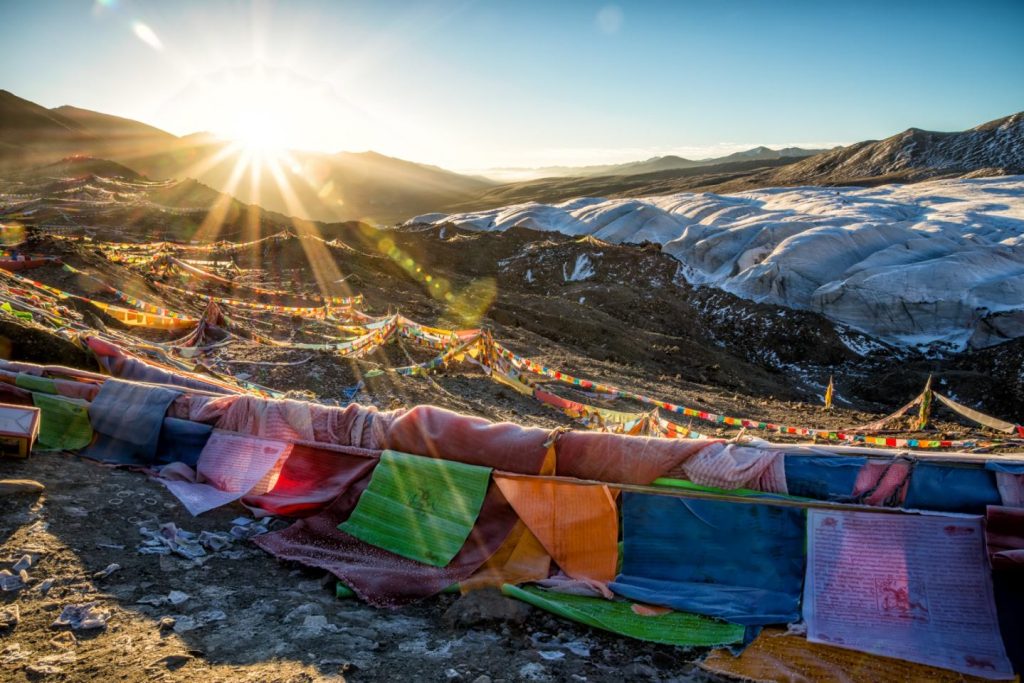
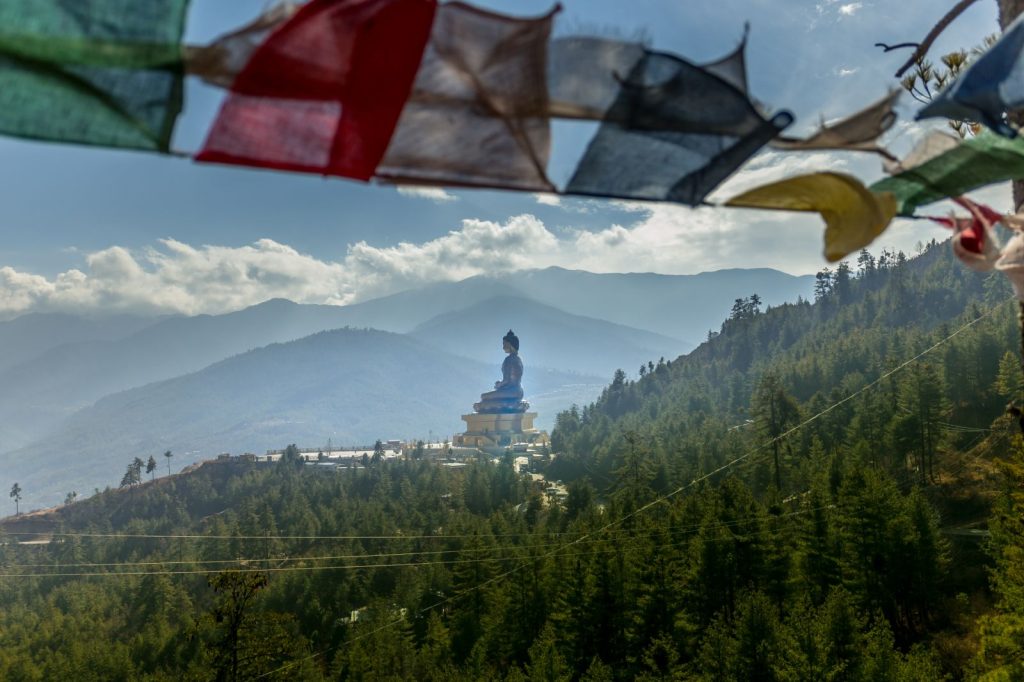
Prayer flags flutter in the wind, not for spectacle but for meaning — each color a prayer carried skyward.
Here, even the air feels intentional.
💡 Voyazure insight: The flight into Paro is one of the world’s most breathtaking approaches — a glide between Himalayan ridges that feels less like arrival and more like initiation.
Paro Taktsang — The Tiger’s Nest
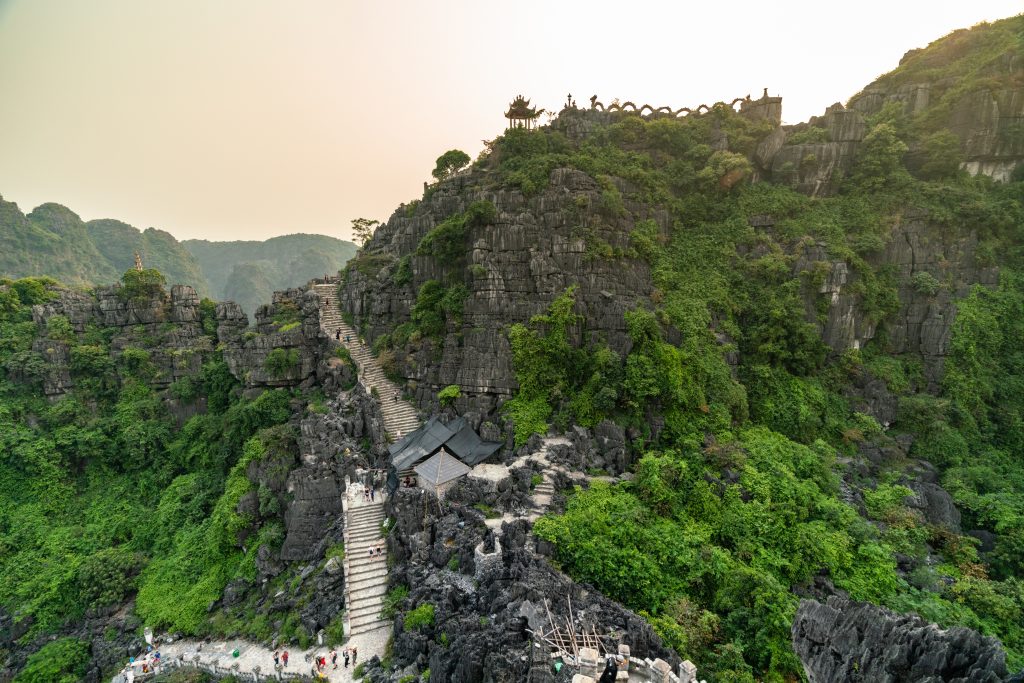
If Bhutan has a heartbeat, it’s here — on a cliffside 3,000 meters above the valley, where the Taktsang Monastery clings to rock like a thought suspended in meditation.
The path up takes hours.
You walk through pine forests scented with incense, past waterfalls that sound like whispered mantras.
And when you finally reach the top, you don’t celebrate — you fall quiet.
The monastery isn’t large, but the energy around it feels infinite.
Legend says Guru Padmasambhava flew here on the back of a tiger to subdue demons — a story that somehow feels less mythical the longer you stand there.
💬 Voyazure note: Most travelers climb for the view. The wiser ones climb for the silence that comes after.
Thimphu — Where Tradition and Modernity Share Tea
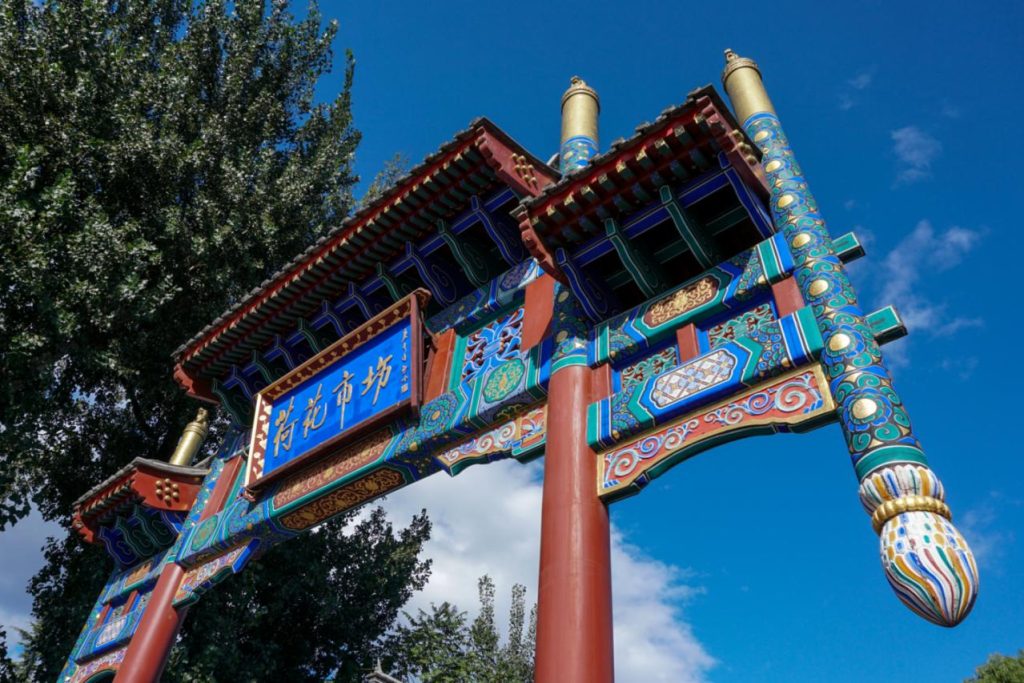
The capital, Thimphu, defies every stereotype of a modern city.
There are no traffic lights, only uniformed officers guiding cars by hand gestures.
Cafés coexist with monasteries; monks scroll phones beside entrepreneurs in ghos (the national dress).
It’s not contradiction — it’s harmony.
Bhutan doesn’t reject modernity; it edits it, choosing only what aligns with its rhythm.
💡 Voyazure insight: Visit the Tashichho Dzong, a fortress-monastery glowing golden at sunset, then wander the artisan markets — you’ll find the world’s calmest capital beating softly under the Himalayas.
Punakha and the Art of Stillness
East of Thimphu, the road twists through mountain passes blanketed in clouds.
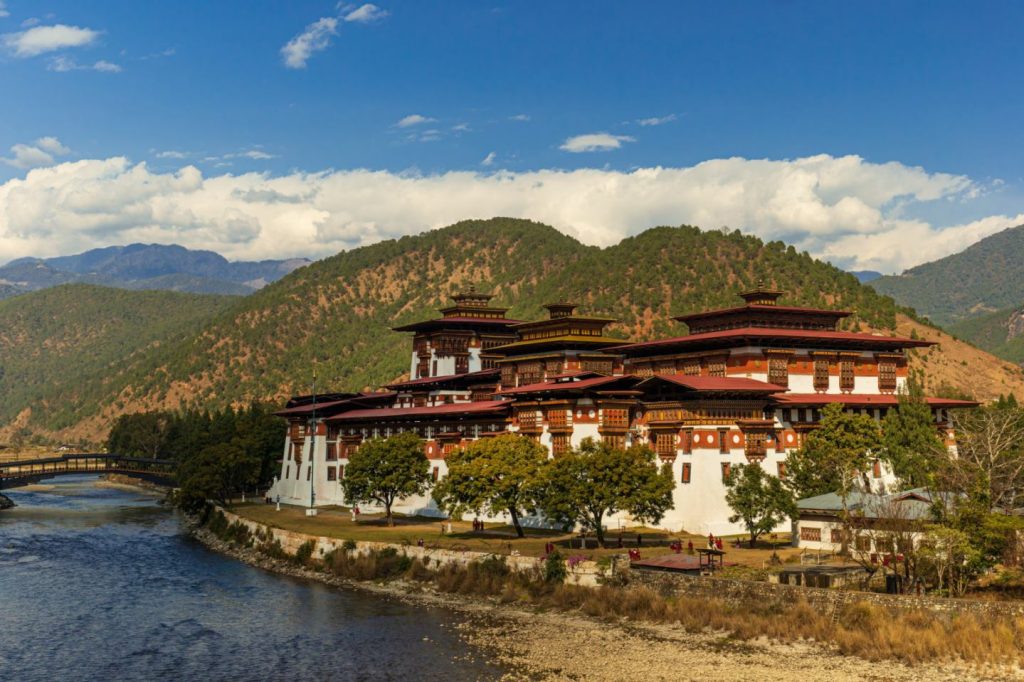
When the mists clear, you find Punakha Dzong, the country’s most beautiful fortress, sitting where two rivers meet.
Built in the 17th century, it’s where monks gather each spring for the Punaka Drubchen — a re-enactment of Bhutan’s victory over Tibetan invaders.
But the real power of Punakha isn’t in its history; it’s in its stillness.
Standing on the wooden bridge above the river, prayer flags in the wind, you understand that adventure here doesn’t mean motion — it means presence.
The Himalayas Within
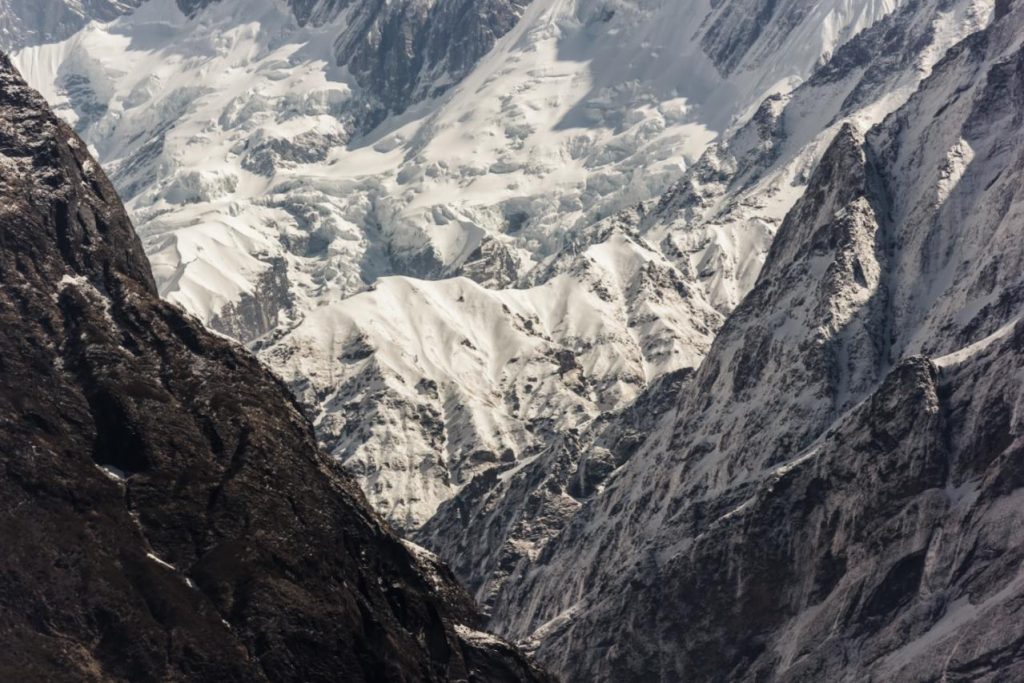
For trekkers, Bhutan is an open secret.
The Druk Path Trek between Paro and Thimphu winds past lakes so blue they look lit from within.
Further north, the Snowman Trek — one of the world’s most demanding routes — crosses 11 passes and peaks that touch the edge of heaven.
But even the simplest walks, through farm villages or rice terraces, hold that same Himalayan peace — a balance between hardship and grace.
💬 “Adventure in Bhutan,” says a local guide, “is not about conquering mountains. It’s about learning to walk without hurry.”
Cultural Depth, Not Display
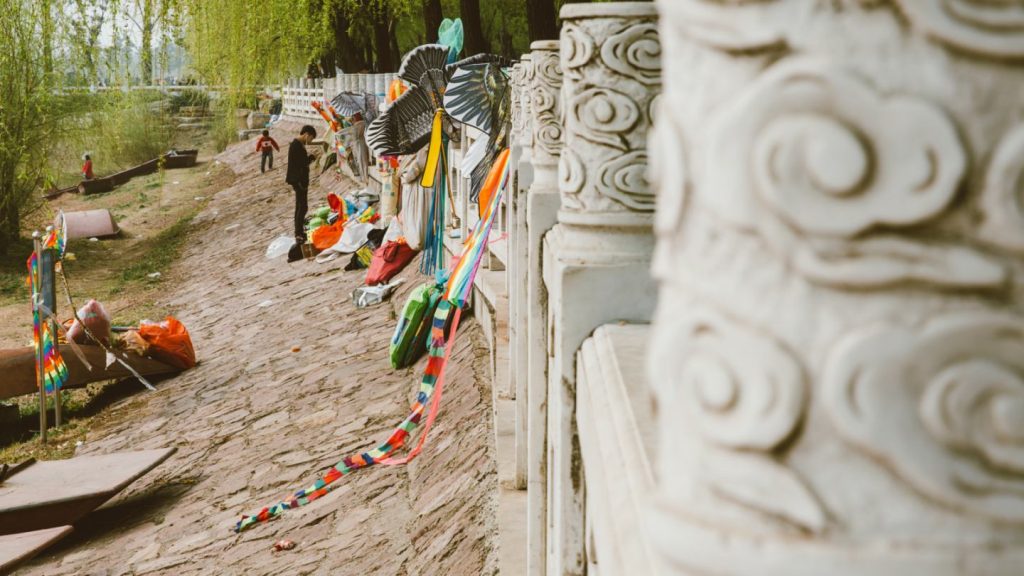
Every village festival (tsechu) bursts with color — masked dances, laughter, the scent of butter lamps.
But there’s no performance for outsiders.
You’re a guest, not an audience.
That’s Bhutan’s secret charm: it doesn’t try to impress you. It lets you listen.
And when you do, you realize that the adventure here isn’t adrenaline — it’s awakening.
Travel Notes
- Best Time to Visit: March–May and September–November (clear skies and festival season).
- Visa: Entry requires travel through a registered Bhutanese operator (mandatory sustainable tourism model).
- Daily Sustainable Fee: From USD $100–$200 per day, covering accommodation, meals, and licensed guides — ensuring controlled, responsible tourism.
- Currency: Ngultrum (BTN).
- Dress: Respectful attire at monasteries; layers for cool mornings and warm afternoons.
💡 Voyazure Tip: The country’s tourism cap isn’t limitation — it’s invitation. Bhutan protects what most destinations have already lost: peace.
Why Bhutan Belongs on Every 2025 Bucket List
Because it’s not the kind of place you check off — it’s the kind you carry with you.
Bhutan reminds travelers that the highest adventure isn’t climbing mountains, but climbing inward.
That joy can be measured not in luxury, but in stillness.
And that perhaps the future of travel isn’t about discovery — it’s about remembering what matters.
For 2025, put Bhutan not just on your map, but in your rhythm.
Go there not to escape the world, but to understand how quietly it can still exist.