
There are places where time flows forward.
And then there is Egypt — where time stands still, yet never stops moving.
A land of eternal symbols, ancient silence, and golden light that changes everything it touches.
Traveling through Egypt isn’t just about seeing monuments; it’s about entering a rhythm that humanity has known for five thousand years — and realizing it still beats beneath the sand.
Cairo: Where Chaos and History Dance
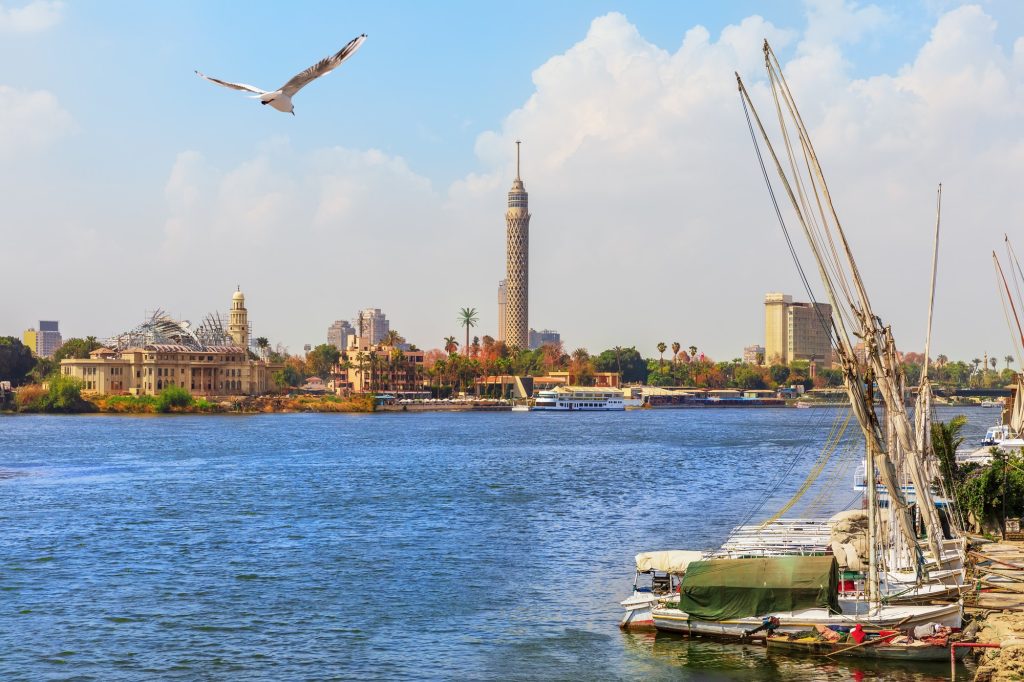
No city on earth feels quite like Cairo.
From the first morning call to prayer to the horns echoing across bridges of the Nile, it’s alive, messy, magnetic — the soundscape of a civilization that never learned how to be quiet.
Yet beneath the modern noise, Cairo is layered with sacred geometry.
The Great Pyramids of Giza, rising just beyond the city haze, are more than wonders — they are time itself made visible.
Standing before them, you understand why even the most rational traveler begins to whisper.
💡 Insider tips:
- Go early, before the tour buses arrive, and watch sunlight crawl across the limestone.
- Visit the Solar Boat Museum, where a 4,000-year-old vessel rests in perfect silence beside the pyramid of Khufu.
- The new Grand Egyptian Museum (GEM) — finally opening near Giza — gathers the treasures of Tutankhamun under one vast, light-filled roof.
But Cairo isn’t only about antiquity.
In Islamic Cairo, minarets stretch across the skyline like poetry written in stone.
Explore Khan el-Khalili, the bazaar that has sold perfumes, spices, and dreams since the 14th century.
At sunset, find a rooftop in Zamalek, order mint tea, and watch the Nile turn silver — the same river Cleopatra once sailed.
The Nile Journey: From Luxor to Aswan
If Cairo is noise and energy, the Nile is breath and stillness.
To travel south along its banks is to understand Egypt’s heart.
A cruise from Luxor to Aswan takes four days, but it feels timeless.
Each morning brings another temple — Karnak, Luxor, Edfu, Kom Ombo — each aligned not only with architecture but with the stars themselves.
At dusk, you stand on deck watching the river glow like molten bronze.
Fishermen drift by in silence, palms sway, and the sky deepens to indigo.
There’s no need to speak; the river does all the talking.
💡 Insider tip: Choose a small dahabiya (traditional sailboat) instead of a large cruise ship. The slower rhythm lets you stop at smaller villages and feel the life of the Nile more intimately.
And then comes Aswan — calm, golden, and profoundly human.
Here, the Nile widens into islands where Nubian houses are painted in blues and reds, each doorway marked by symbols of blessing.
Take a felucca ride at sunset and let the wind steer you.
This is the Egypt that poets dream of — not grand, but gentle.
Temples of Light: Abu Simbel and Beyond
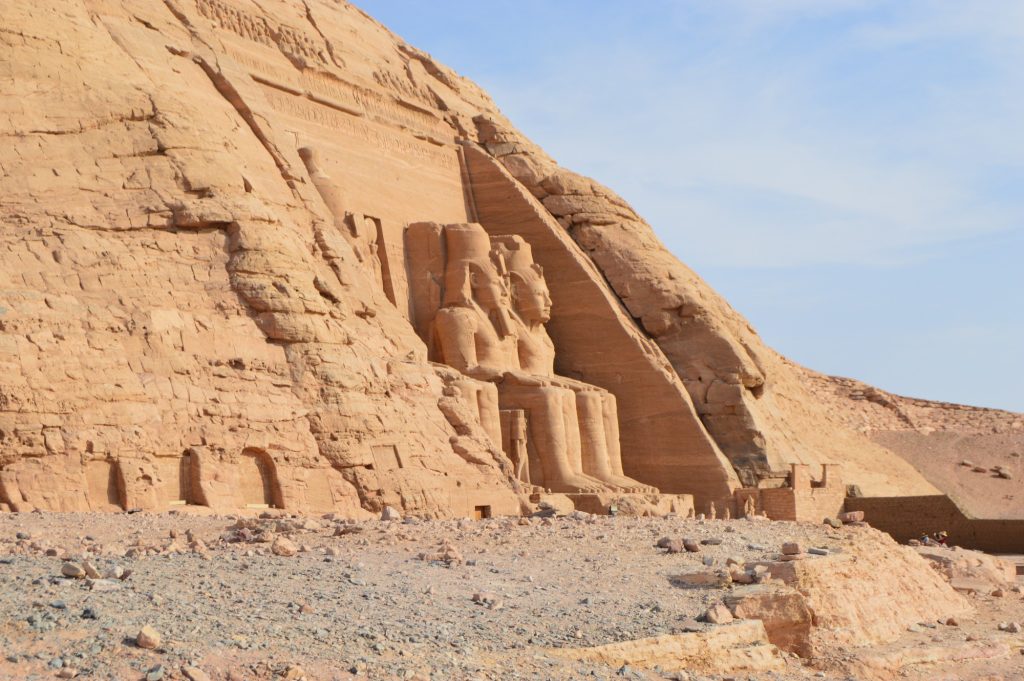
Further south, carved directly into the cliffs above Lake Nasser, lie the twin temples of Abu Simbel.
Built by Ramses II more than 3,000 years ago, they were relocated stone by stone in the 1960s to save them from the rising waters — a modern miracle to protect an ancient one.
At dawn, the sunlight pierces the inner sanctum, illuminating the statues of the gods for just a few minutes — a cosmic alignment planned with mathematical precision.
It’s one of those moments that silence entire groups of travelers at once.
💬 Voyazure note: It’s worth the pre-dawn wake-up call. No photograph can capture the stillness when the desert light meets carved eternity.
The Red Sea: Egypt’s Other Paradise
After the dust and myth, the sea feels like another planet.
On the Red Sea coast, Egypt becomes light again — vibrant, blue, alive.
Hurghada and El Gouna offer coral gardens and marine life that rival the Maldives.
Further south, Marsa Alam feels almost untouched — a quiet escape where desert meets turquoise.
Dive beneath the surface and you’ll find another kind of temple — coral cathedrals alive with color.
At night, the wind off the water smells of salt and jasmine.
💡 Local tip: Combine a few nights by the Red Sea after a Nile cruise. The change of landscape — from sand to sea — feels like exhaling after centuries of awe.
Alexandria: The Mediterranean Soul
Head north and Egypt changes again.
Alexandria, founded by Alexander the Great, was once the intellectual capital of the world — home to the Great Library and the Lighthouse of Pharos.
Today, its streets still carry whispers of that brilliance: art deco cafés, bookshops, and sea air that feels like nostalgia.
Visit the Bibliotheca Alexandrina, a modern architectural masterpiece reviving the spirit of the ancient library.
Walk along the Corniche at sunset, when the Mediterranean and the city glow in the same soft light.
Alexandria isn’t a postcard; it’s a memory you step into.
Travel Notes
- Best time to visit: October to April (cooler weather, ideal for desert and Nile travel).
- Currency: Egyptian Pound (EGP).
- Getting around: Domestic flights connect Cairo, Luxor, Aswan, and Sharm el-Sheikh; trains and private drivers are reliable.
- Safety: Tourist areas are secure; Egyptians are famously welcoming.
- Dress code: Light, modest clothing; pack a scarf for desert winds and mosque visits.
💡 Sustainability note: Choose local guides certified by the Ministry of Tourism and stay in heritage hotels or eco-lodges to support preservation efforts.
Why Egypt Endures
Because no matter how many centuries pass, Egypt never stops teaching us how small — and how extraordinary — we are. The pyramids remind you of ambition. The Nile teaches patience. The desert teaches silence. And the people — generous, humorous, endlessly resilient — remind you that life, at its best, is always a blend of chaos and grace.
Traveling through Egypt isn’t about ticking monuments off a list. It’s about listening — to wind over sand, to laughter in a market, to the echo of eternity inside yourself.