
There are places that remind you how brief human time is.
The Grand Canyon doesn’t just show you the past — it makes you feel it.
Layer by layer, color by color, it exposes nearly two billion years of Earth’s history, carved not by force but by patience.
A Landscape Written in Stone
Stretching for more than 440 kilometers across northern Arizona, the Grand Canyon is not one single view but thousands.
Every hour the light changes — soft rose in the morning, burning gold at noon, violet at dusk.
The Colorado River, narrow and silent from above, still carves its way through the rock as it has for eons.
From the South Rim, the canyon feels endless. From the North Rim, quieter and wilder, you sense its solitude.
And from within — if you hike down into it — the perspective changes entirely: the sky becomes a strip of blue, and the walls rise like cathedrals of color.
It isn’t only geography. It’s geology turned into poetry.
How to Experience It
There’s no single way to “see” the Grand Canyon.
You choose the rhythm — from panoramic calm to raw immersion.
1. South Rim: The Classic View
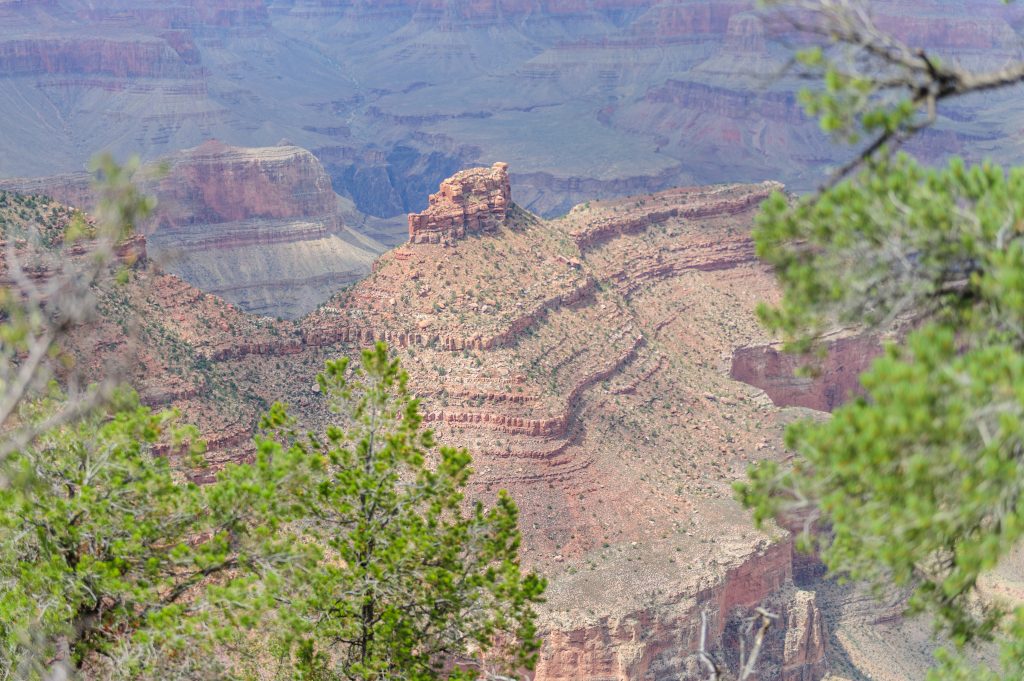
- Best for: First-time visitors, photographers, sunrise seekers.
- Highlights: Mather Point, Yavapai Observation Station, Desert View Watchtower.
- Access: Year-round, well connected from Flagstaff or Williams via Highway 64 or the Grand Canyon Railway.
Even if you only walk along the Rim Trail, each turn changes the entire palette — rust, ochre, violet, indigo.
Stay for sunset; the canyon glows from within, as if lit by memory.
2. North Rim: The Quiet Edge
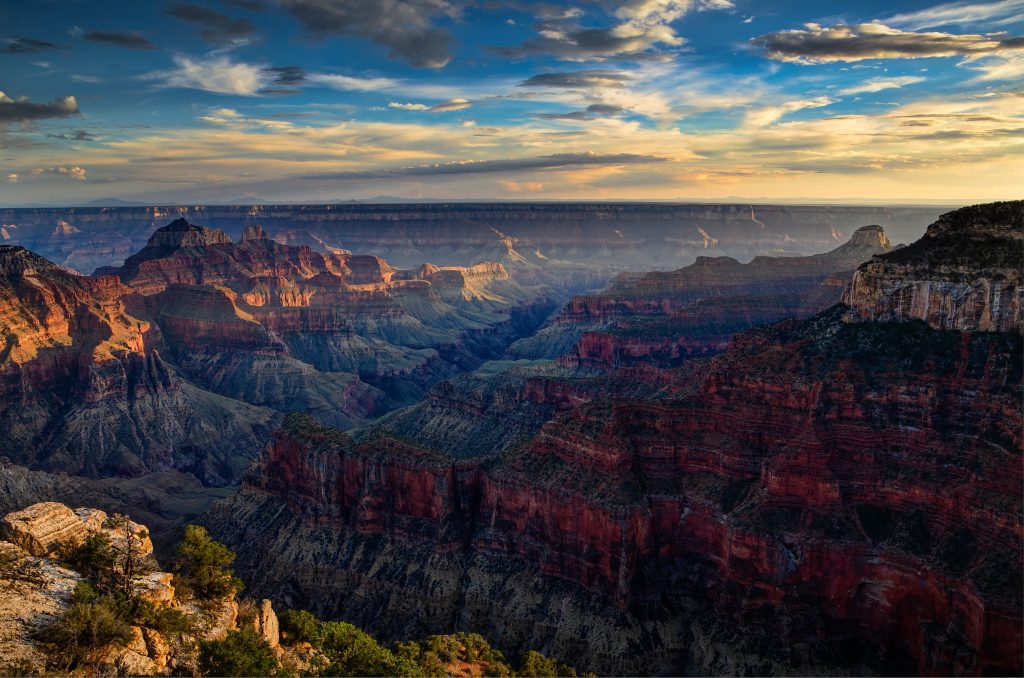
- Best for: Travelers who prefer solitude and cooler temperatures.
- Season: May to mid-October (closed in winter due to snow).
- Highlights: Cape Royal, Point Imperial, Bright Angel Point.
The North Rim sits higher, almost a thousand meters above the South, offering fewer crowds and deeper silence.
At night, the Milky Way unfolds above you in impossible clarity — one of the best stargazing skies in the United States.
3. Inside the Canyon: For the Bold
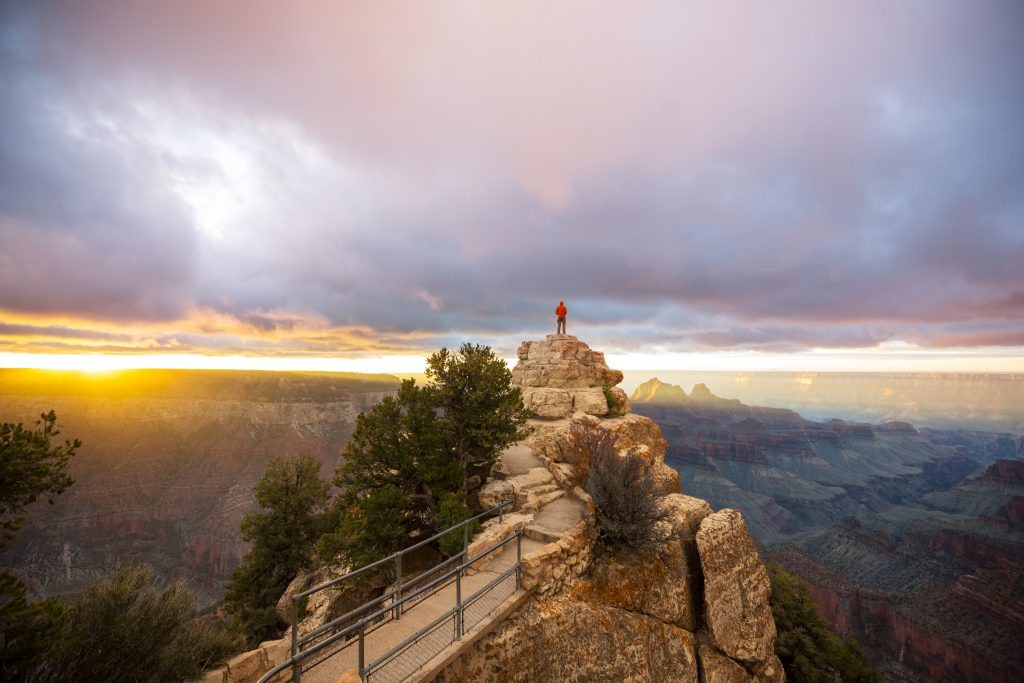
- Trails: Bright Angel Trail (moderate to hard), South Kaibab Trail (steeper, panoramic).
- Note: Descending is optional; returning is mandatory — always plan your pace.
- Alternative: Mule rides and guided rafting trips along the Colorado River.
Those who hike to the bottom and spend the night at Phantom Ranch speak of it as an initiation — the canyon humbles you, then rewards you with silence.
Rafting the Colorado River
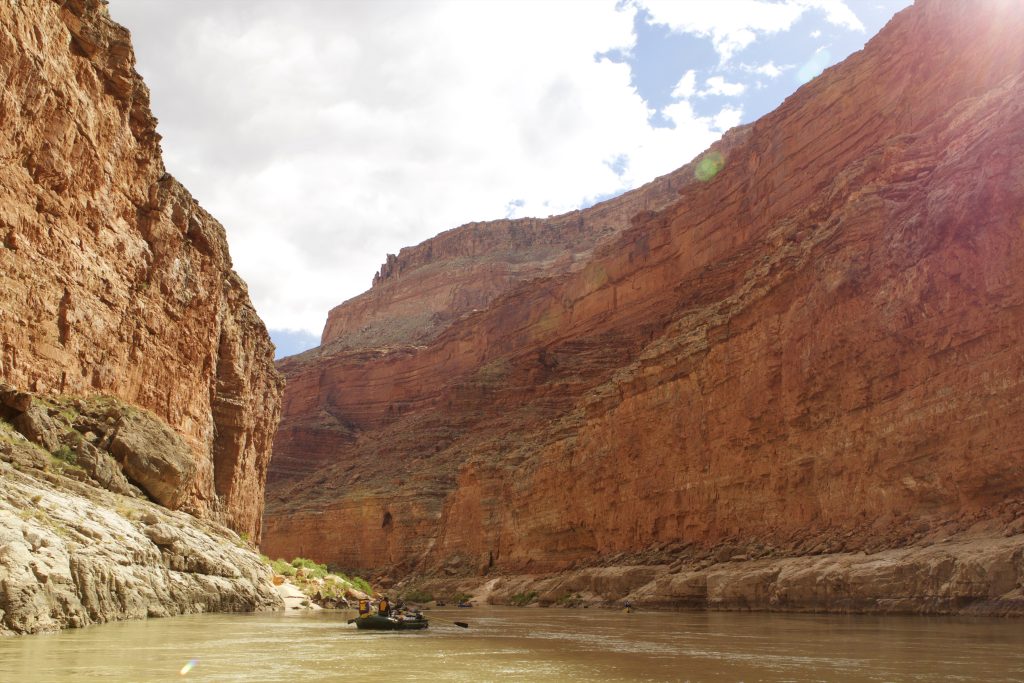
To truly understand the canyon, you have to meet the river.
Rafting here isn’t about adrenaline — it’s about scale.
Days begin in the chill of dawn; sunlight spills down the canyon walls like liquid fire.
You camp on river beaches, watch herons glide, and fall asleep to the echo of water against stone.
Multi-day rafting trips (from 3 to 14 days) are available from Lees Ferry to Diamond Creek, usually between April and October.
Permits are limited, and waiting lists long — but once you go, you realize why. It’s one of the purest forms of solitude left on the planet.
Beyond the Canyon
The Grand Canyon isn’t an isolated miracle. It’s part of a larger rhythm:
- Antelope Canyon: A sculpted labyrinth of red sandstone, famous for its beams of light.
- Horseshoe Bend: The Colorado looping like a painter’s brushstroke near Page, Arizona.
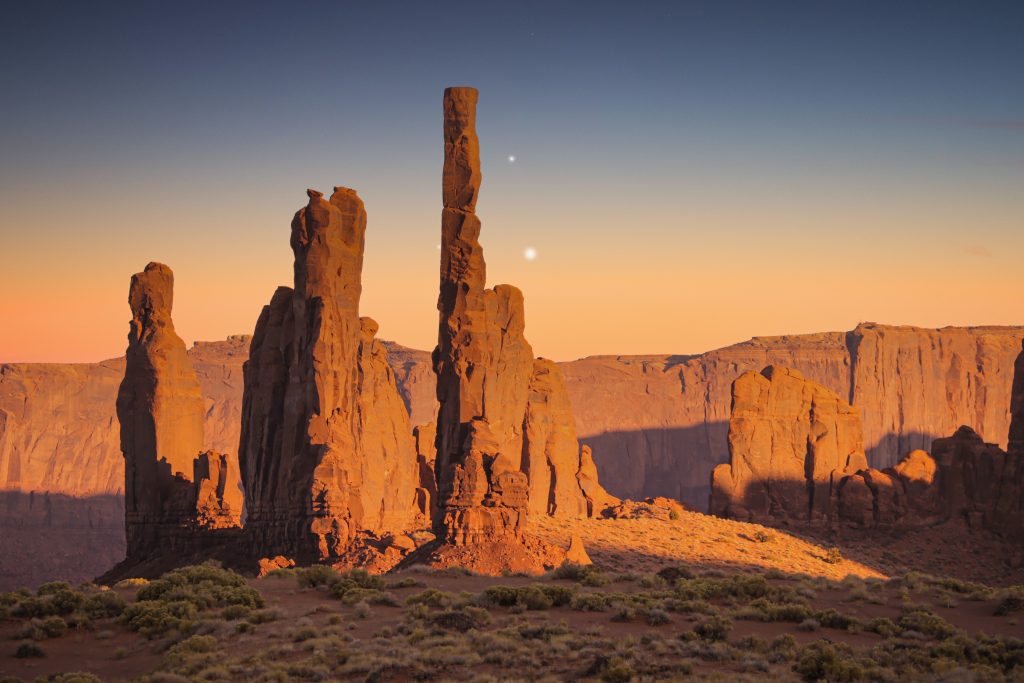
- Monument Valley: Iconic desert towers that seem to rise from the dreams of the Earth itself.
Each one feels like a chapter in the same ancient story.
Staying There
- El Tovar Hotel (South Rim): Historic elegance perched on the edge — book months ahead.
- Bright Angel Lodge: Cozy cabins within walking distance of the main viewpoints.
- Phantom Ranch: For hikers who make it to the bottom — rustic comfort under a canopy of stars.
- Nearby towns: Tusayan, Flagstaff, or Williams for more flexible accommodation.
Autumn (September–October) is ideal: fewer visitors, golden light, and nights that cool the desert heat.
The Grand Canyon isn’t a destination. It’s a conversation between time and light — and you’re invited to listen. Standing at its rim, you don’t just see distance; you feel depth — both geological and emotional. The wind that rises from the canyon smells of dust, pine, and eternity.
For a moment, you stop being a tourist. You become part of the landscape — small, awed, alive.