
Introduction: Where Travel Meets Heritage
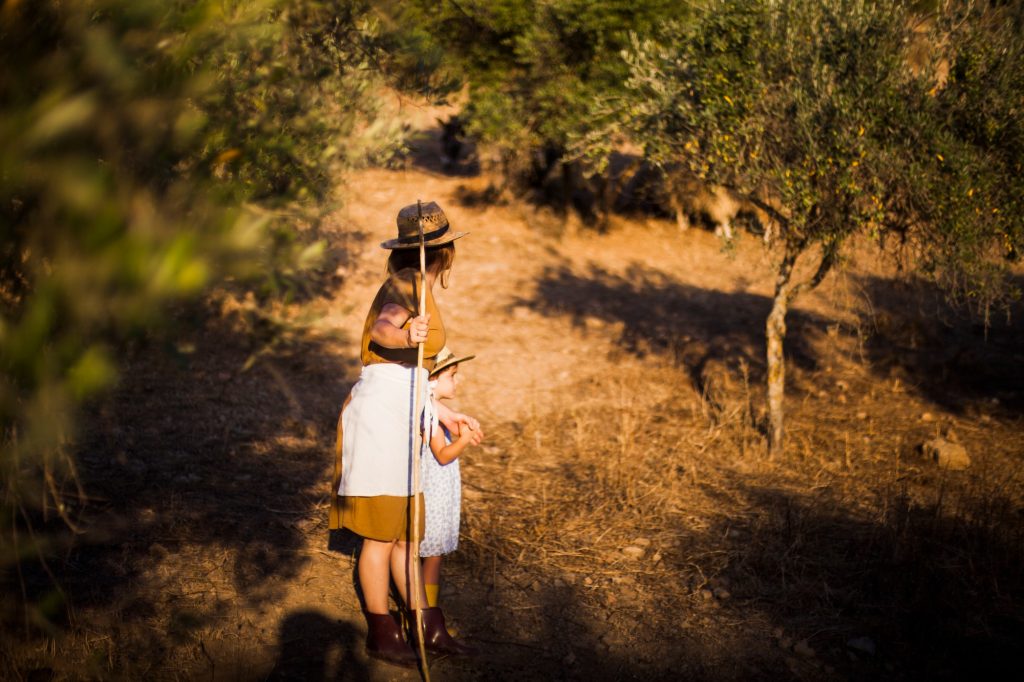
Across Greece, the olive tree is not simply part of the landscape — it is the landscape.
From the terraced hills of Crete to the stone-built villages of the Peloponnese and the misty uplands of Lesvos, the country’s identity has been shaped for thousands of years by the rhythm of the olive harvest.
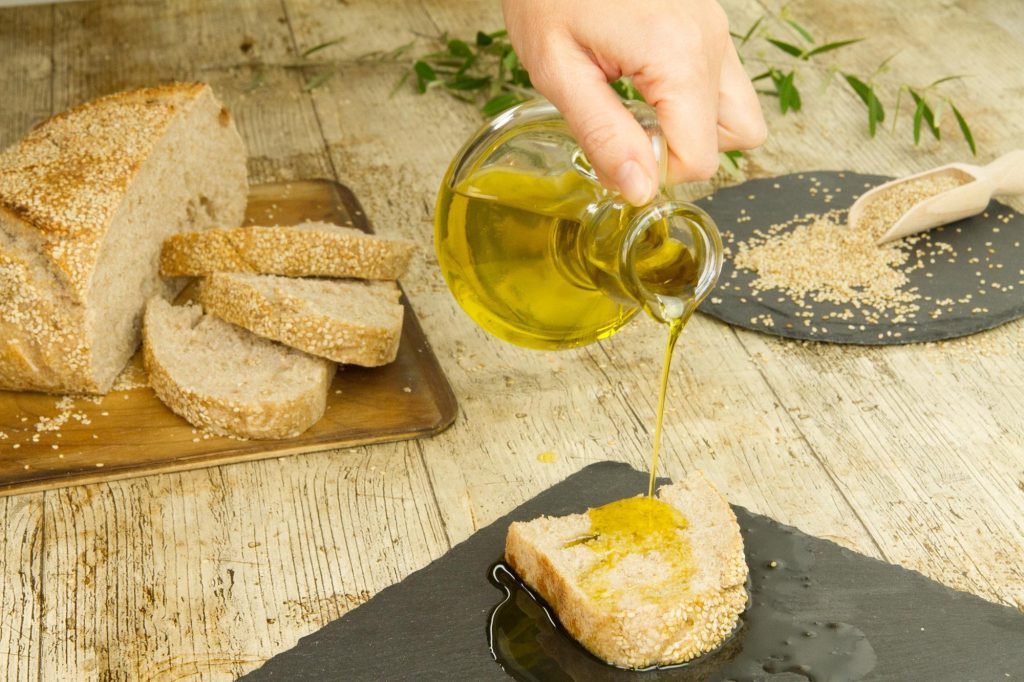
To travel in Greece during this season (November to early December) is to witness a tradition that has survived empires, wars, and eras of modernity. You hear it in the rustle of nets being spread under the branches, smell it in the grassy aroma of freshly crushed olives, feel it in the warmth of new oil poured over bread that has just come out of a village oven.
This is not a museum-piece ritual. It’s a living chapter of the Mediterranean diet — a way of eating and living that remains one of the world’s healthiest food cultures.
The Heart of the Mediterranean Diet
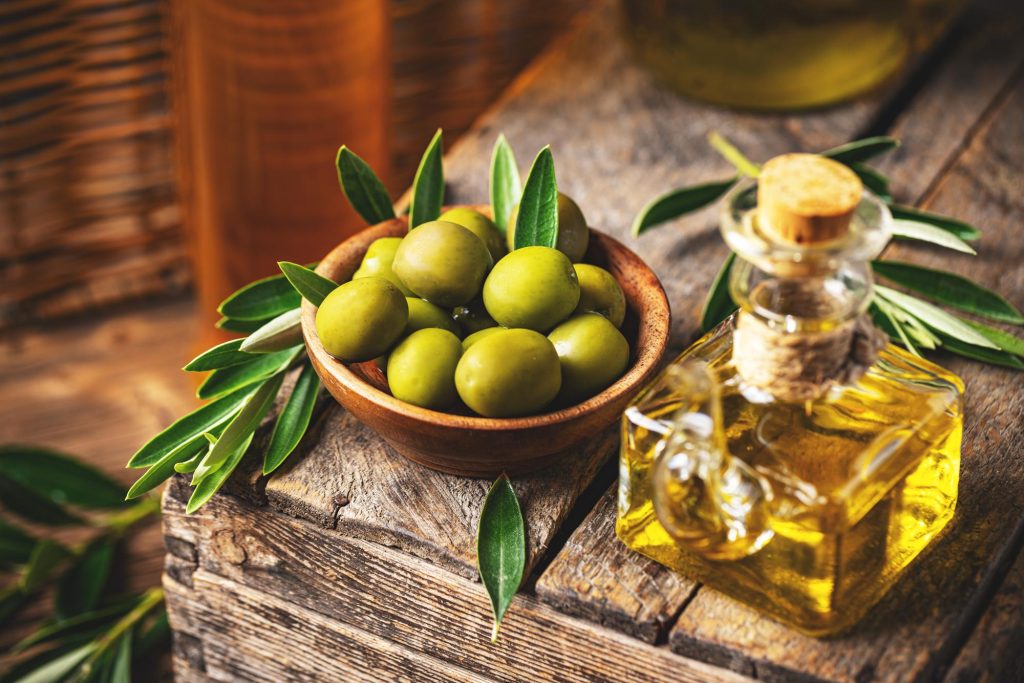
Before stepping into the olive groves, it helps to understand why olive oil holds such importance in Greece.
The Mediterranean diet — famously associated with longevity and lower rates of chronic disease — is not a “diet” in the modern sense. It’s a pattern of life:
- minimal processing
- seasonal produce
- family meals
- and olive oil as the foundation of everyday cooking
Greek olive oil is rich in polyphenols, the antioxidants that give high-quality extra virgin oil its peppery finish. These compounds are directly linked to anti-inflammatory benefits — one of the reasons regions like Crete historically exhibited exceptional longevity.
In villages across Greece, people still cook with their own oil. They drizzle it over tomatoes, mix it with lemon and oregano for fish, pour it generously into stews, and even use it in cakes and pastries. This deep daily use is what ties health to heritage.
The Harvest: A Rural Ritual You Can Witness
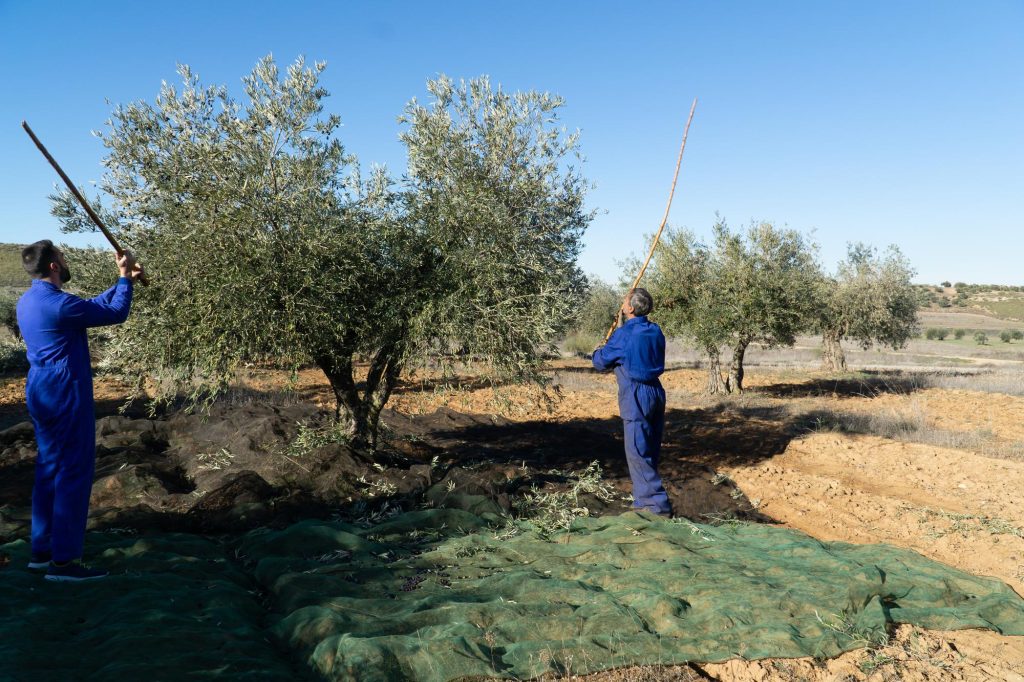
If you visit Greece during harvest season, you can join the process — not as an observer behind a rope, but as part of a community moment.
How the harvest unfolds:
- Nets are laid under the trees — in patterns that have barely changed in centuries.
- Olives are removed either with small electric rakes or by hand in more traditional groves.
- Families clean the fruit together, removing twigs and leaves.
- The olives are brought to the local mill, sometimes within hours — freshness determines quality.
- The oil emerges warm and green, the color of life in its most concentrated version.
In many villages, if you happen to pass by the olive mill, you’ll be invited to try the first oil of the season with nothing more than bread and a pinch of sea salt. The taste is shockingly fresh: bitter, herbaceous, and alive.
Where to Experience Olive Oil Culture in Greece
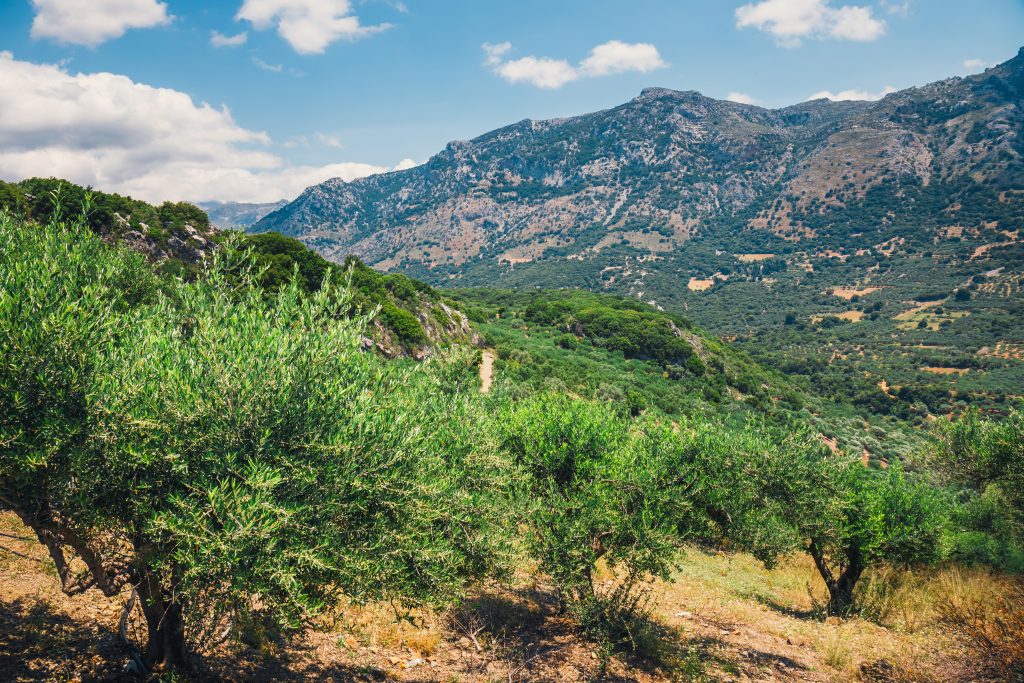
1. Messinia — Gentle landscapes & balanced oils
The region around Kalamata is one of Greece’s most celebrated olive-growing areas. The groves are dense, the coastline quiet, and the mountains form a dramatic backdrop.
What to do here:
- Visit family-run olive mills around Kalamata, Meligalas, and Pylos.
- Join an olive-picking day in the countryside.
- Explore the ancient olive groves near Kardamyli.
- Try Messinian oil paired with local bread, figs, and cheese.
Messinia’s oil is known for its mild fruitiness and smooth texture — ideal for travelers who want to understand the “classic” Greek flavor profile.
2. Crete — The cradle of olive culture
Crete produces more olive oil than some entire countries.
Here, olive trees are part of the island’s DNA. Some are over 2,000 years old — the most famous being the monumental tree in Vouves, Chania.
Where to go:
- The villages around Rethymno for harvest participation.
- Kolymbari in Chania for award-winning oils.
- Heraklion’s inland villages for tasting sessions.
- The ancient olive tree of Vouves — a quiet wonder of longevity.
Cretan oils are bold, peppery, with high polyphenol levels — the perfect gateway to understanding why the island is often linked to exceptional longevity.
3. Lesvos — Distinctive flavor shaped by microclimate
Lesvos produces oils that are lighter, almost floral, thanks to the island’s terrain and climate.
The groves stretch across hillsides, down valleys, and around stone-built villages like Agiassos, Plomari, and Gera.
What makes Lesvos special:
- Traditional stone mills still operate in some villages.
- The island’s varieties, like Kolovi, have a delicate aroma.
- The tasting sessions often include ouzo and mezé — turning the experience into a cultural immersion.
The oil here is gentle and elegant — a very different expression of Greece.
How to Taste Olive Oil Like a Professional
Even a non-expert can learn the basics of proper tasting:
- The glass is blue
To avoid judging the oil by color. - Warm it with your hands
This releases aromas. - Smell deeply
Look for notes like tomato leaf, herbs, citrus, artichoke. - Sip with air
Draw air over the tongue to activate flavor compounds. - Observe the three pillars:
- fruitiness
- bitterness
- pepperiness
High-quality oil will show a balance of all three.
This process transforms olive oil from something you “use” to something you notice — and this awareness is part of the Mediterranean food philosophy.
Olive Oil & Greek Cuisine: A Marriage of Place and Flavor

No article about Greek olive oil would be complete without connecting it to food.
Every region uses its oil differently:
- Messinia: pairs olive oil with tomatoes, oregano, goat cheese.
- Crete: slow-cooked greens, barley rusks, seafood.
- Lesvos: grilled vegetables, sardines, lentils.
- Peloponnese: hearty stews, baked vegetables, orange-scented olive oil cakes.
Travelers often discover that tasting olive oil in Greece makes them rethink how they cook at home. The oil isn’t a garnish — it’s a backbone.
Where You Can Visit Olive Groves & Mills
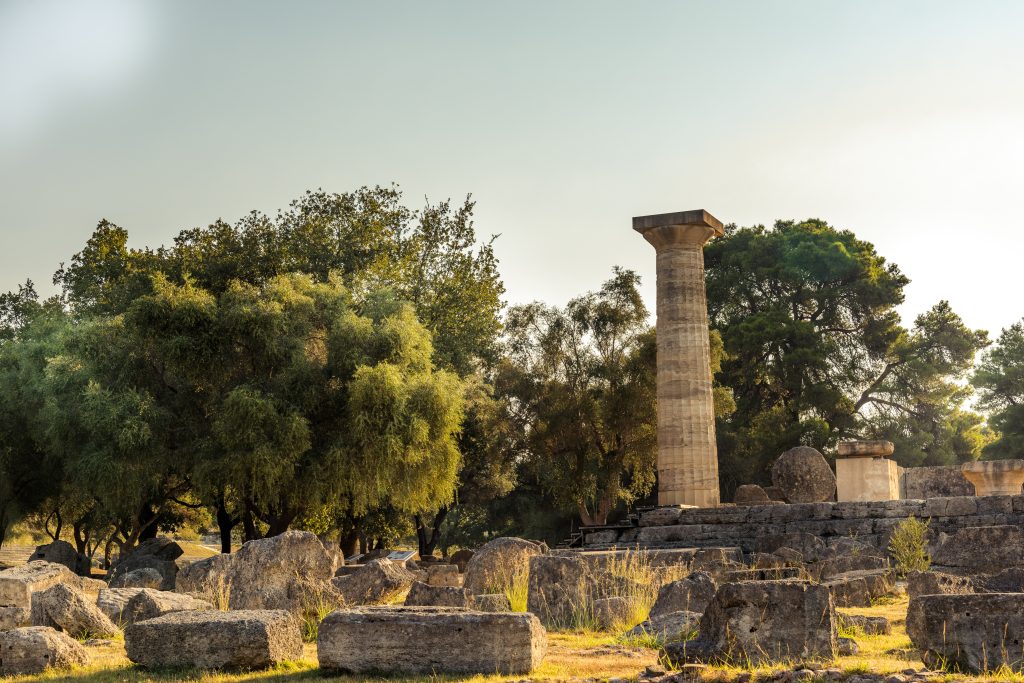
Here are regions with visitor-friendly olive experiences:
Peloponnese
- Terre Olympia area (Olympia)
- Kardamyli & Stoupa rural groves
- Pylos countryside — many farms welcome visitors
Crete
- Village groves around Archanes, Heraklion
- Kolymbari (protected designation of origin region)
- The Olive Tree Museum of Vouves (Chania)
Lesvos
- Plomari Olive Tree Museum
- Local cooperative mills in Gera
- Agiassos mountain groves
Evia
- Rovies estate — one of Greece’s oldest organic olive farms
Each region offers different landscapes, tasting styles, and cultural nuances.
Why November & Early December Are the Best Months to Travel
- The harvest is in full swing.
- Temperatures are mild, ideal for outdoor farm visits.
- Prices are lower than summer.
- The countryside is active in an authentic, non-touristic way.
- Villages have a tranquil rhythm that’s impossible to capture in peak season.
It’s Greece without filters — earthy, simple, and connected to tradition.
Final Thoughts: Traveling Through Taste
To explore Greece through its olive oil is to understand the country’s soul in a way that beaches and ruins cannot offer.
It’s an immersion in a rural rhythm that has shaped families for centuries.
A moment where food, land, and culture meet — without performance, without staging.
The olive tree is a story of survival, patience, and quiet strength.
And for travelers searching for meaning beyond sightseeing, this season offers one of the most genuine experiences Greece can give.