
Few destinations embody spirituality as vividly as India, and at the heart of it all lies Varanasi, the eternal city on the banks of the Ganges. Known as the oldest continuously inhabited city in the world, Varanasi is more than a place—it is an experience that bridges life and death, ritual and daily routine, chaos and serenity. For centuries, pilgrims have come here to cleanse their souls, scholars have studied philosophy and Sanskrit, and travelers have been both unsettled and transformed by its intensity.
The City on the Ganges
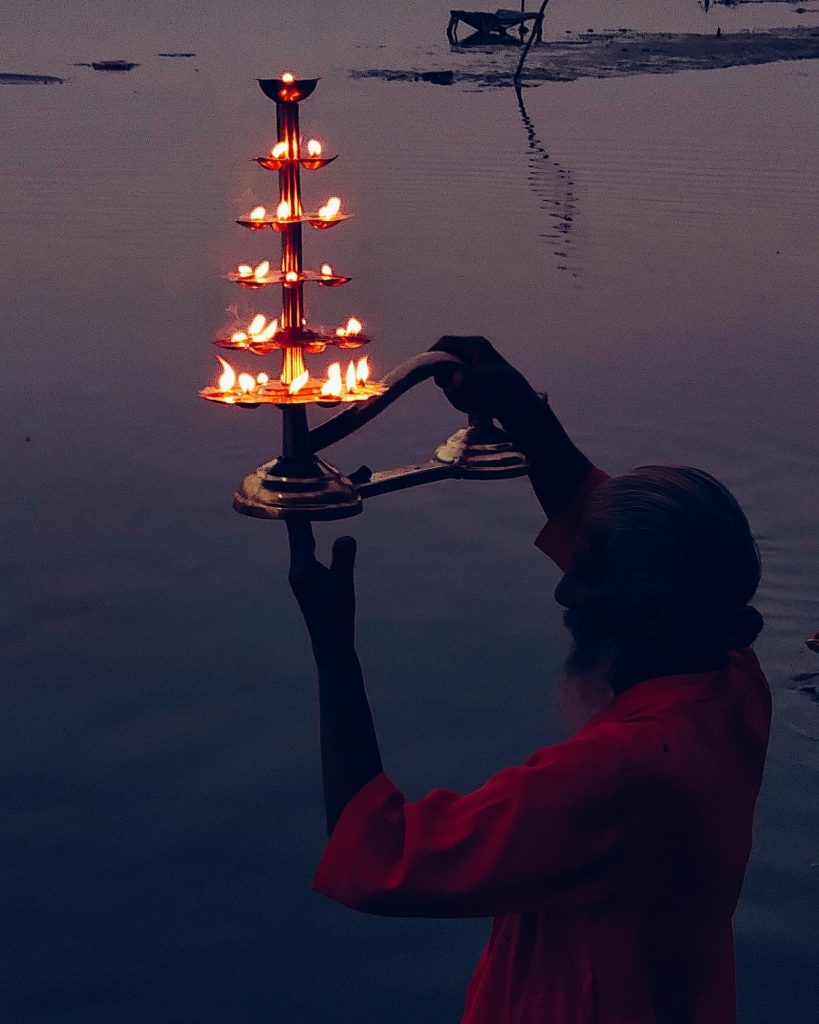
Varanasi stretches along the river like a theater. The ghats—stone steps leading into the Ganges—form the stage, and the city’s rituals play out here from sunrise to nightfall. At dawn, the first rays of light hit the water, reflecting the silhouettes of wooden boats filled with pilgrims and travelers. The faithful enter the river for ritual baths, while priests chant hymns that echo across the water. By evening, the atmosphere changes again: the famous Ganga Aarti takes place, a ceremony of fire, bells, incense, and chants, creating an almost cinematic spectacle of devotion.
A History Written in Rituals
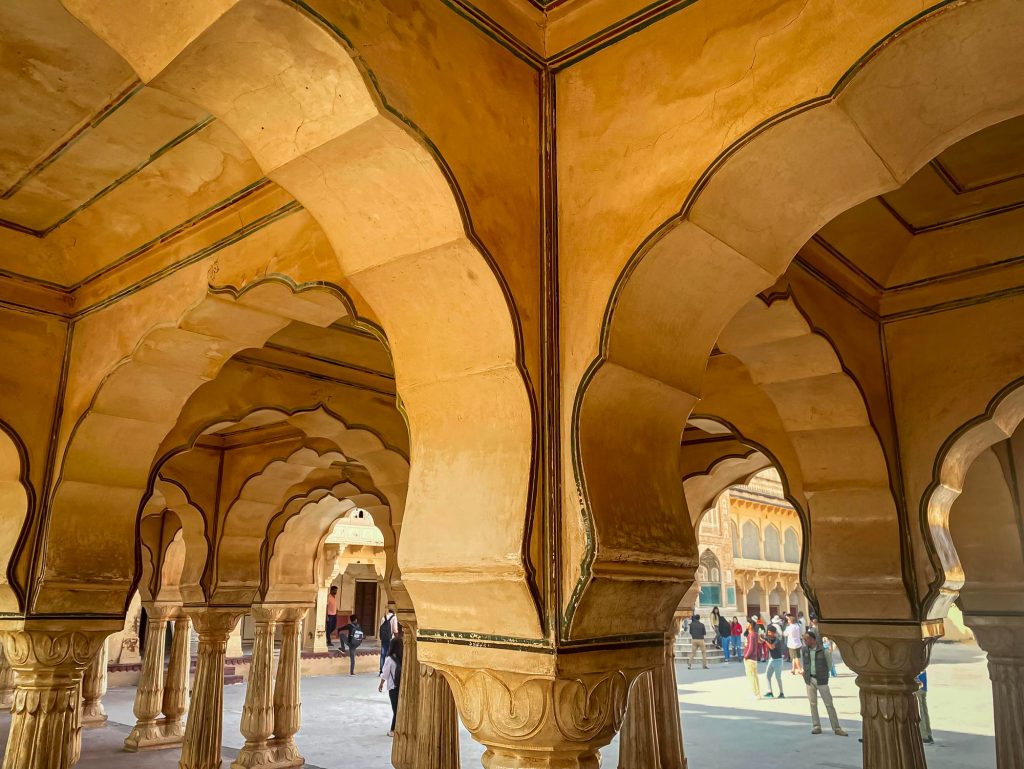
Varanasi is often described as older than history itself. Hindu mythology holds that it was founded by Lord Shiva, and for centuries it has been a major center of learning, music, and philosophy. Its significance lies not only in its age but in its role as a city where the sacred is seamlessly integrated into everyday life.
The Manikarnika Ghat, one of the city’s cremation sites, is a reminder of Hindu beliefs about death and rebirth. Here, funeral pyres burn constantly, and the ashes are released into the river. For locals, this is not macabre—it is a fulfillment of the cycle of life, and being cremated here is considered a final liberation.
Immersive Experiences
Travelers often arrive in Varanasi overwhelmed by its intensity. The key is to approach it with openness and respect.
- Dawn Boat Rides: These reveal the river at its most serene. As the sun rises, the ghats come alive, each with its own identity—some devoted to bathing, others to laundry, others to cremation.
- The Ghats: Exploring on foot brings encounters with sadhus (holy men), priests, vendors selling flowers and candles for rituals, and local families who treat the river as part of daily life.
- Temples: Among the hundreds, the Kashi Vishwanath Temple stands out as one of the most sacred shrines dedicated to Shiva. Entry can be restricted, so guided visits help navigate protocols.
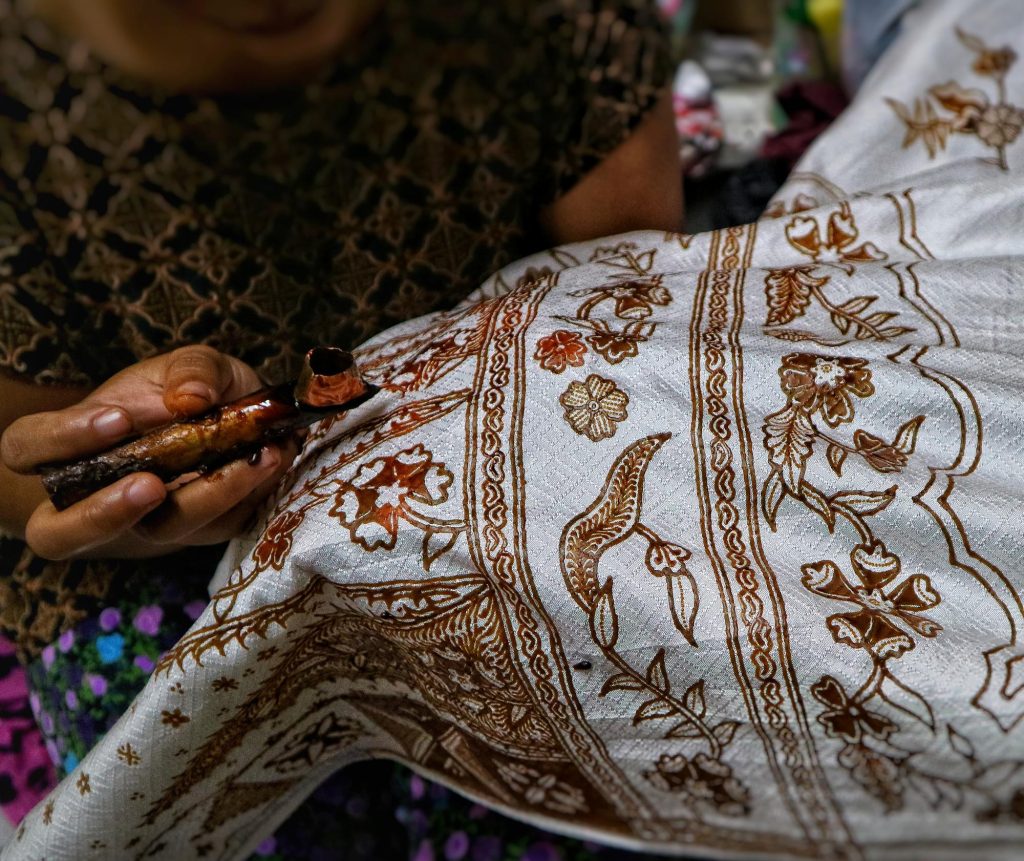
- Silk Weaving Workshops: Varanasi is famous for its handwoven saris, particularly the opulent Banarasi silk. Visiting artisans’ workshops reveals traditions passed down for generations.
- Evening Aarti Ceremony: This ritual at Dashashwamedh Ghat is a highlight. Priests perform synchronized movements with fire lamps, accompanied by chants and music that echo across the river.
Culture and Everyday Life
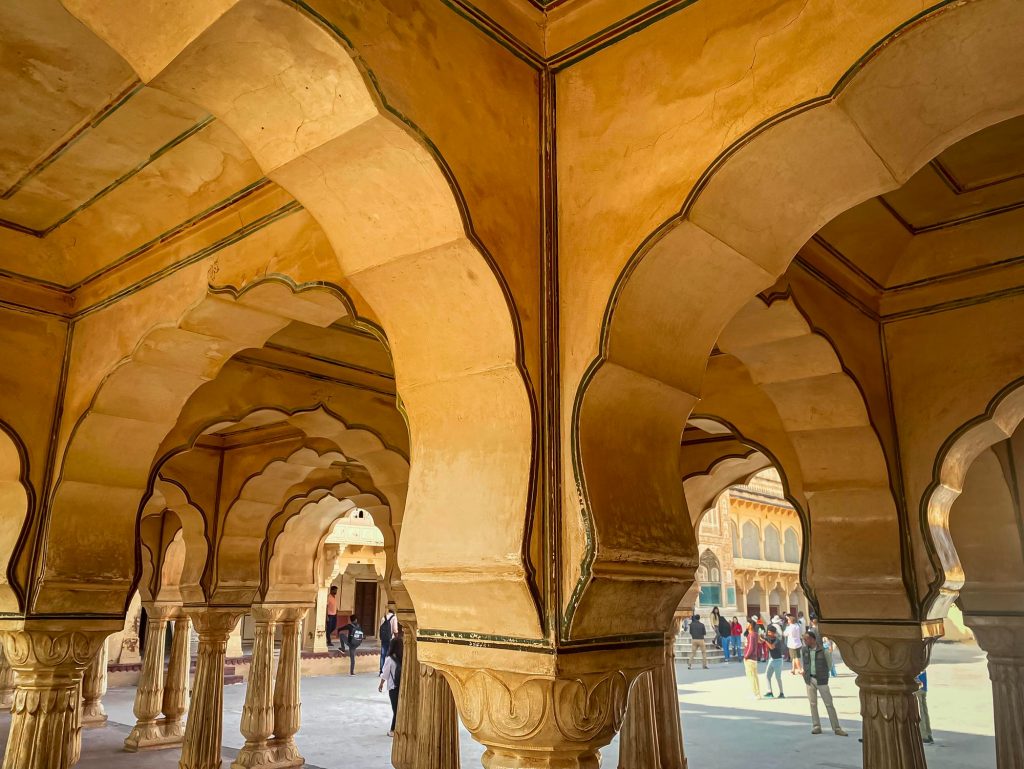
Beyond rituals, Varanasi is also a city of scholars, musicians, and artisans. Narrow lanes behind the ghats lead to markets filled with brass statues, incense, and religious texts. Classical music thrives here; the sitar and tabla are still taught in traditional schools. The city is also known for its cuisine: street food such as kachori sabzi and sweets like jalebi are integral to daily life.
The contrast between sacred and mundane defines Varanasi. A ritual on the ghats may be followed by a chai in a street-side stall. A funeral procession may pass by a market full of bright marigold garlands. For visitors, this juxtaposition is both disorienting and unforgettable.
Practical Guidance
- When to Go: The best months are October to March, when the weather is cooler and festivals are in full swing. Avoid the summer heat and monsoon rains.
- Health & Safety: Standard vaccinations suffice; bottled water is recommended. The city’s intensity can be overwhelming—staying in a riverside hotel provides a peaceful retreat.
- Where to Stay: Accommodation ranges from heritage guesthouses overlooking the ghats to boutique hotels offering curated cultural experiences. Many properties provide rooftop terraces with views of the Ganges.
- Getting Around: Auto-rickshaws and walking are common, but navigating with a local guide ensures deeper understanding and smoother logistics.