
Travel by train is more than a way of moving from one place to another—it is an unfolding of landscapes, cultures, and atmospheres at a pace that allows them to be absorbed. The journey from Lisbon to San Sebastián is one of Europe’s most rewarding rail routes, tracing the Atlantic coast of Portugal and northern Spain before arriving in the Basque Country. Along the way, it connects history, gastronomy, and scenery into a single, seamless experience.
Lisbon: A City of Light and Saudade
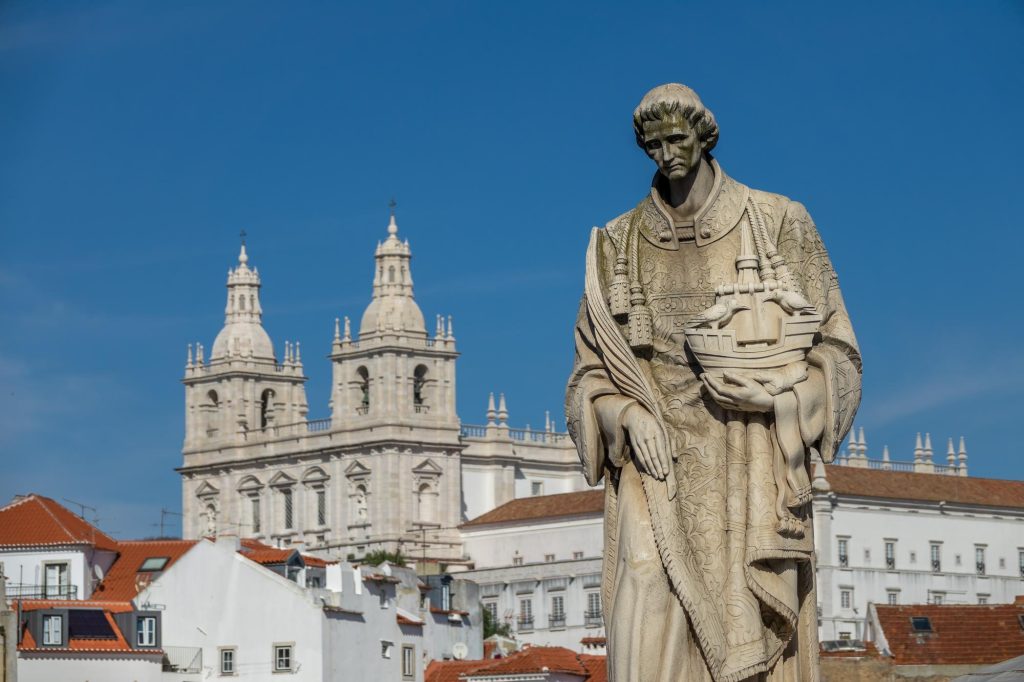
The journey begins in Lisbon, where cobbled streets rise and fall over seven hills. Before boarding the train, travelers often spend time wandering through Alfama, the oldest district, where fado music drifts from small taverns. The city sets the tone for the trip: a mixture of melancholy and warmth, where tiled façades shimmer in the sun and trams clatter through winding streets.
Lisbon’s Santa Apolónia station is not simply a departure point; it is a gateway that has sent explorers across oceans for centuries. Boarding the train here feels like continuing that tradition of discovery, this time along Europe’s Atlantic edge.
Porto: Terraces and the River Douro
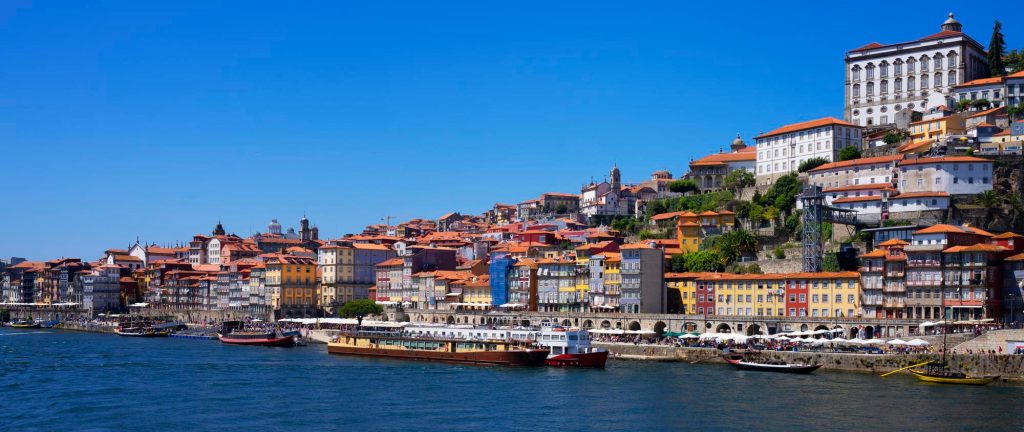
The first major stop is Porto, where the Douro River meets the sea. From the train, terraces of vines seem to tumble down toward the water, each carved into the landscape over centuries of winemaking. Porto is synonymous with its fortified wine, and cellars along Vila Nova de Gaia offer tastings that reflect both tradition and innovation.
The Ribeira district, with its narrow lanes and iron balconies, provides a sense of intimacy. Travelers often linger here, exploring churches gilded with baroque detail or crossing the Dom Luís I Bridge for sweeping views of the city.
Galicia: Pilgrimage and the Power of the Atlantic
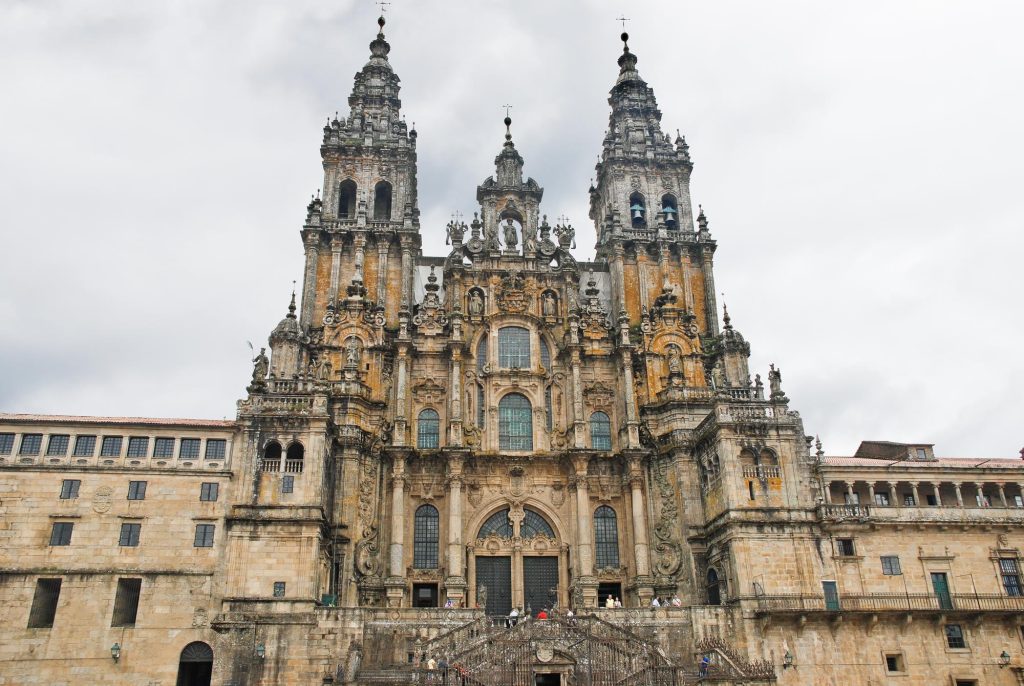
Crossing into Spain, the railway enters Galicia, a region shaped by the sea. Fishing villages dot the coast, where the Atlantic crashes against rocky shores. The influence of the Camino de Santiago is everywhere—pilgrims converge on Santiago de Compostela, where the cathedral has welcomed walkers for a millennium.
The atmosphere here is quieter, more reflective. Markets overflow with seafood hauled in hours earlier, and stone villages still carry echoes of medieval Spain. Galicia provides a pause in the journey, grounding it in tradition and faith.
San Sebastián: Gastronomy and Belle Époque Splendor
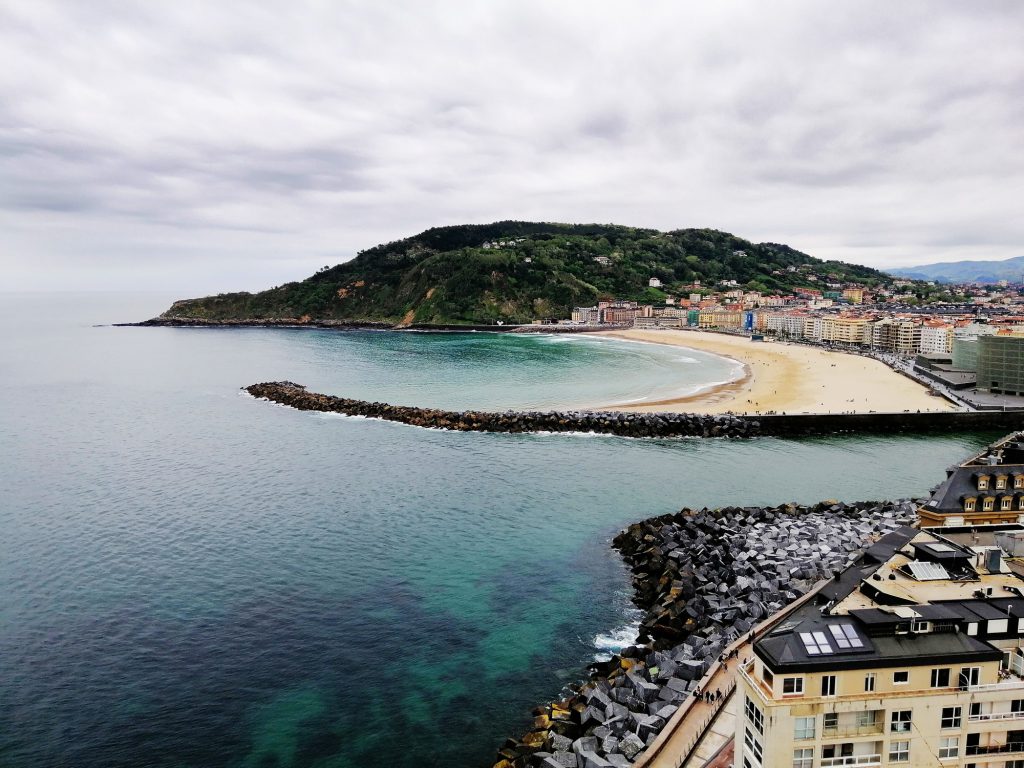
The route culminates in San Sebastián, a city that combines elegance with innovation. Its crescent-shaped La Concha beach is one of Europe’s most photographed shorelines, framed by Belle Époque architecture. Yet the city’s real claim to fame lies in its gastronomy.
San Sebastián has one of the highest concentrations of Michelin-starred restaurants in the world, but its culinary heart is found in its pintxos bars. Small bites line the counters: anchovies with olive oil, grilled peppers, rich stews served in miniature portions. Moving from bar to bar becomes a cultural ritual, blending social life with gastronomy.
The city also thrives on contemporary art and cinema, hosting international festivals that add to its cosmopolitan character. For many travelers, San Sebastián feels like the perfect balance—sophisticated yet approachable, elegant yet vibrant.
Practical Guidance
- Duration: The Lisbon–San Sebastián journey can be completed in stages across 10–12 hours, but many travelers break it up with overnight stays in Porto and Santiago.
- Best Season: Spring and autumn offer mild weather and fewer crowds. Summer brings lively festivals but higher demand.
- Tickets: Advance reservations ensure comfort; first-class compartments often include meals and access to lounges.
- Health & Safety: No special considerations beyond standard travel practices; rail is one of the most comfortable and secure ways to explore the region.
Practical Rail Itinerary: Lisbon to San Sebastián
Lisbon → Porto
- Alfa Pendular (AP): 2h45min, fastest and most comfortable.
- Intercidades (IC): 3h15min, slightly slower but more affordable.
Departure: Lisbon Santa Apolónia / Oriente → Arrival: Porto Campanhã
Porto → Vigo (Galicia, Spain)
- Celta Train (CP & Renfe): 2h30min, direct daily service.
Departure: Porto Campanhã → Arrival: Vigo-Guixar
Vigo → San Sebastián (Donostia)
- Renfe Alvia: 8–9h, long-distance train with scenic stops.
- Option to break the journey in Santiago de Compostela or Bilbao.
Total travel time: 13–15 hours (without overnight stops). Most travelers split the journey with stays in Porto and Galicia to enjoy the route.