
If Athens gave birth to philosophy and Florence to art, then Silicon Valley gave birth to the digital age — the new cathedral of human thought, built not from marble but from microchips.
Stretching quietly between San Francisco and San Jose, the Valley doesn’t look extraordinary at first glance. Suburban streets, modest campuses, endless parking lots. But beneath this calm façade beats the nervous system of the modern world. Every app, every phone, every line of code that shapes our daily lives somehow traces its lineage back here.
A Landscape Built on Ideas
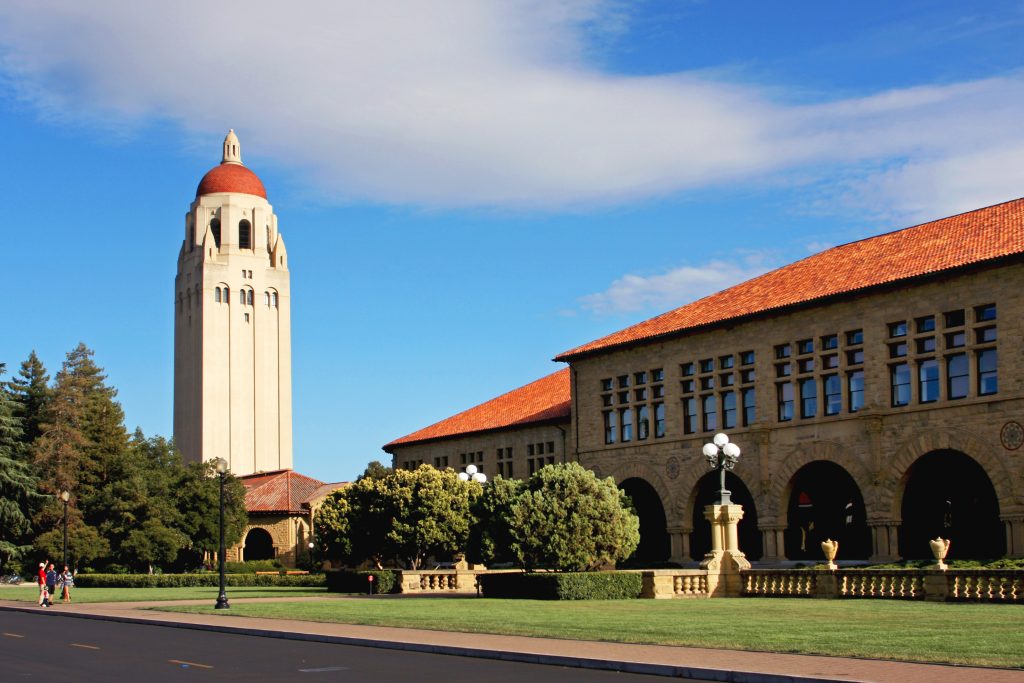
The Valley was never meant to be glamorous. Its transformation began in the 1950s, when engineers at Stanford University and a few stubborn dreamers began tinkering with semiconductors in small garages.
One of those garages — at 367 Addison Avenue, Palo Alto — is now a state landmark: the “Birthplace of Silicon Valley.” It’s where Bill Hewlett and Dave Packard built an audio oscillator that would become the foundation of Hewlett-Packard, and later, a culture of innovation defined by risk, failure, and persistence.
That’s the essence of this place: not perfection, but iteration. The belief that every mistake can be rewritten into the next version.
Walk around Menlo Park, Cupertino, or Mountain View, and you feel it — a strange mix of calm and electricity. Cafés buzz with quiet conversations in half a dozen languages, laptops open, heads bent. Ideas are the local currency here, and everyone seems to be trading.
The Culture of “What If”
What makes Silicon Valley unique isn’t its wealth, but its permission — the freedom to ask what if.
What if a computer could fit on a desk? (Apple, 1976)
What if we could search all the world’s information in seconds? (Google, 1998)
What if cars could drive themselves? (Tesla, 2008)
That sense of experimentation is still alive. Visit Sand Hill Road, a stretch of office parks that hides some of the most powerful venture capital firms in the world. Behind unmarked doors, ideas become billion-dollar realities — or fade overnight.
Nearby, the Stanford Research Park bridges academia and entrepreneurship, hosting companies that began as student projects and turned into industries. The energy is not corporate; it’s almost monastic — a quiet devotion to innovation.
💡 Insider tip: The Cantor Arts Center on the Stanford campus is open to the public — a peaceful place to pause between meetings with the future. Out front stands Rodin’s The Thinker, perhaps wondering what humanity will think of next.
Landmarks of the Digital Era

While many campuses are closed to the public, the Valley still offers places where the story of technology is visible — sometimes even tangible.
1. Apple Park (Cupertino)
A perfect glass ring floating in greenery, Apple Park is the physical embodiment of design purity. You can’t enter the headquarters without clearance, but the Apple Visitor Center next door lets you explore the campus in augmented reality and shop in the world’s most minimalist store.
Everything here whispers precision — even the espresso machines.
2. The Computer History Museum (Mountain View)
This is the Louvre of technology — 100,000 artifacts tracing the evolution from abacuses to AI. The main exhibition, Revolution: The First 2000 Years of Computing, is breathtaking. You’ll see Alan Turing’s early code, ENIAC components, and the first Apple computer encased like a relic of modern faith.
3. The Googleplex (Mountain View)
Bright bikes, colorful signage, and the quiet hum of one of the most powerful engines on Earth — not combustion, but computation. Visitors can’t enter the offices, but the Google Merchandise Store and nearby Android Park (with its giant candy-themed statues) capture the company’s playful soul.
Behind the whimsy lies a quiet revolution in machine learning and quantum computing that’s reshaping everything from language to medicine.
4. Meta Headquarters (Menlo Park)
The Meta campus feels like a city built for connection — open-air walkways, murals, and hidden art installations. The shift from “Facebook” to “Meta” isn’t just rebranding; it reflects a deeper cultural shift: from social networking to immersive reality. Whether or not you believe in the “metaverse,” this is where it’s being engineered.
The Cafés of Creation
If cathedrals once held philosophers, Silicon Valley’s temples are its cafés.
- Coupa Café (Palo Alto) — Stanford’s intellectual living room. You’ll overhear PhD students debating neural networks next to investors reviewing pitch decks.
- Philz Coffee (San Mateo) — where “The Mint Mojito” is legend, and so are the startup ideas born over it.
- Red Rock Coffee (Mountain View) — local musicians by night, machine learning engineers by day.
It’s here that you sense the Valley’s true power: the friction of minds colliding. Every barista seems to know that the next customer could quietly change the world.
The Price of Innovation
For all its brilliance, Silicon Valley carries contradictions.
Sky-high rent. Burnout. Inequality. The same drive that fuels invention can also consume those who chase it.
But locals understand this paradox. “We build machines to make life easier,” one engineer told me, “and then forget to make our own lives easier.”
That honesty — and the willingness to reflect — keeps the Valley human.
Increasingly, new startups here focus not just on profit but purpose: clean energy, biotech, mental health, climate tech. Innovation is evolving again — not toward more screens, but toward more balance.
💡 Worth visiting:
- Lucid Motors Experience Center (Newark) — electric vehicles as architecture.
- The Tech Interactive (San Jose) — hands-on science center for curious adults as much as kids.
- NASA Ames Research Center (Moffett Field) — public tours occasionally available; where aviation meets AI.
When Silicon Meets Soil
It’s easy to forget that Silicon Valley sits in one of California’s most beautiful regions.
Drive twenty minutes and you’re among redwood forests, vineyards, and quiet hills. Hike at Rancho San Antonio Preserve or Castle Rock State Park, and you’ll see another kind of intelligence — nature’s.
That balance between code and calm is the Valley’s best-kept secret. The people who last here aren’t the ones who code the longest; they’re the ones who learn to disconnect.
How to Visit Silicon Valley Thoughtfully
If you come as a tourist, don’t expect spectacle. Expect subtlety.
You won’t find ancient ruins or towering monuments. What you’ll find are ideas — invisible, everywhere, alive.
Here’s how to experience it meaningfully:
- Stay in Palo Alto or Mountain View, not San Francisco — you’ll feel closer to the pulse.
- Visit during weekdays, when campuses and tech events are active.
- Attend meetups or talks — platforms like Eventbrite list dozens of open community events.
- End your day at the coast — half an hour away, Half Moon Bay reminds you that even in the land of algorithms, waves still decide the rhythm.
The Human Code
Silicon Valley isn’t about technology; it’s about human potential.
It’s where ambition meets vulnerability, where failure is a rite of passage, and where optimism refuses to die.
You can stand before the glass walls of Apple, the colorful lawns of Google, or the quiet lab at Stanford — and realize that everything we call “the future” was once just an idea on a napkin.
And maybe that’s the lesson.
The Valley isn’t a place; it’s a mindset.
It reminds you that progress isn’t about machines replacing people — it’s about people remembering what they can build when they dare to imagine.