
Switzerland has long been a benchmark for luxury spa travel. With its alpine landscapes, natural thermal springs, and world-class hospitality, the country offers some of the most refined wellness resorts in the world. Yet what makes autumn particularly special is not just the crisp mountain air and golden valleys—it’s the fact that the crowds are gone. For travelers seeking calm, privacy, and restoration, this is the perfect season to experience Swiss spa culture at its purest.
Alpine Thermal Heritage
The Swiss Alps have been known for their healing waters for centuries. Resorts such as Grand Resort Bad Ragaz draw on thermal springs first documented in the 13th century. Today, the resort combines thermal pools with medical wellness programs, integrating tradition and cutting-edge science. In autumn, when the summer hikers have left and the winter ski season hasn’t yet begun, guests find themselves in quiet facilities where every detail feels personal.
Design Meets Nature
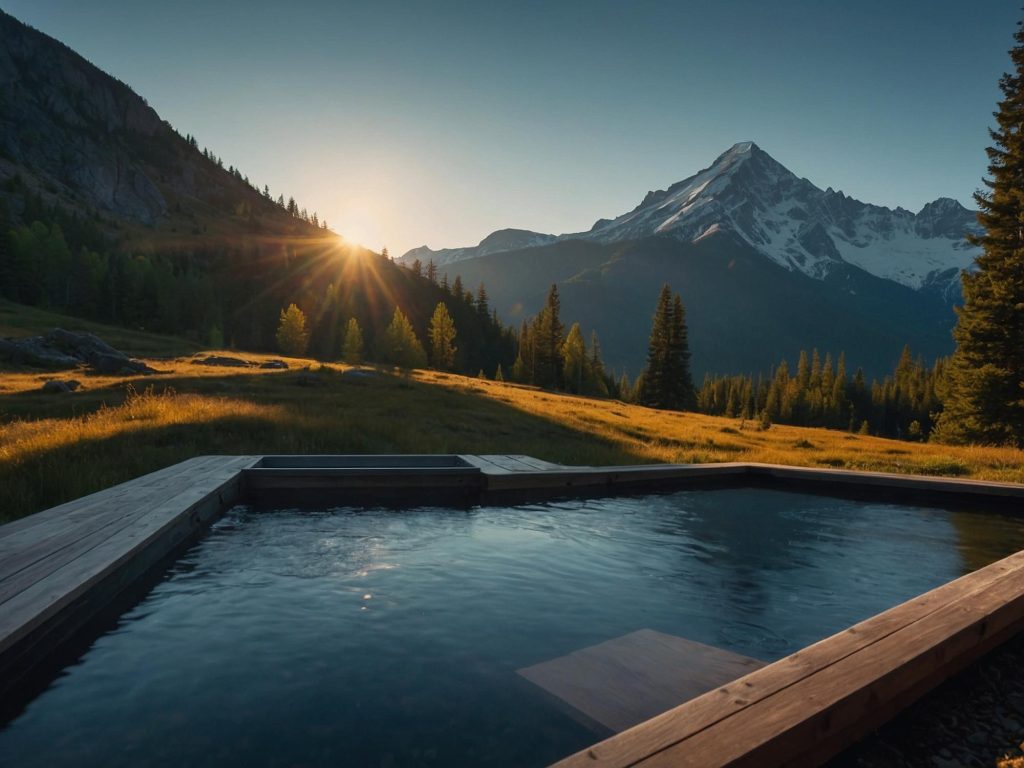
Modern Swiss spa resorts are as much about architecture as treatments. At 7132 Hotel in Vals, designed by Pritzker Prize–winning architect Peter Zumthor, the thermal baths are carved from local quartzite stone, blending seamlessly into the mountainside. Floating in warm mineral water while the autumn mist drifts across the valley is an experience of serenity that feels rare in Europe’s busier seasons.
Lake and Mountain Balance
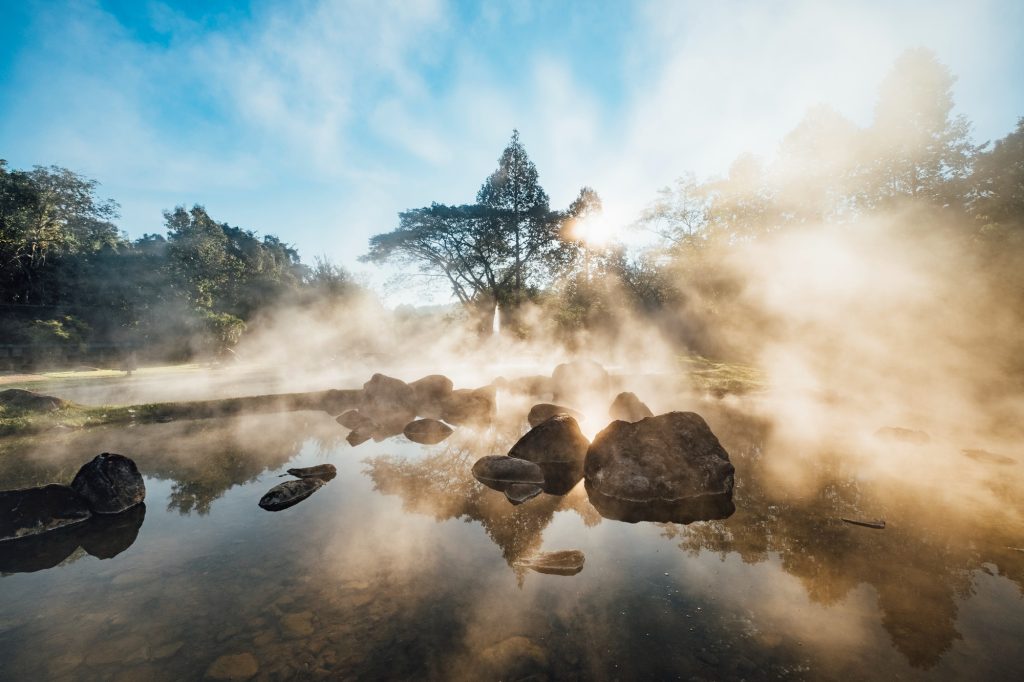
It’s not only the Alps. Resorts around Lake Lucerne and Lake Geneva offer spa retreats with panoramic water views. The Bürgenstock Resort features an infinity pool suspended high above the lake, creating the sensation of floating between mountain and sky. Visiting in autumn means enjoying this dramatic setting without the summer tourist flow, making it easier to access treatments, dining, and private suites with uninterrupted views.
Autumn Advantage: Fewer Crowds, Deeper Calm
One of Switzerland’s greatest luxuries in autumn is space. Without the peak-season bustle, spa resorts feel more intimate. Staff have more time to personalize treatments, from bespoke massage therapies to tailored nutrition plans. Lounges and pools are quieter, mountain trails less crowded, and the pace naturally slower. For those who view wellness as more than just treatments—but as a way of being—this lack of interruption is invaluable.
Gastronomy and Wellness Cuisine
Swiss spa resorts elevate dining to part of the wellness journey. Menus feature seasonal alpine ingredients: wild mushrooms, fresh lake fish, artisanal cheeses, and wines from local vineyards. Many properties integrate wellness cuisine with Michelin-starred restaurants, allowing guests to choose between light, restorative dishes and indulgent fine dining—all within the same stay.
When to Go
- Autumn (September–November): Quietest season, golden landscapes, and lower occupancy at luxury resorts.
- Winter (December–March): Ski season, more vibrant but busier.
- Summer (June–August): Popular with hikers; spa resorts combine wellness with outdoor adventures.
Switzerland proves that luxury is not just about facilities—it’s about timing. Visiting its spa resorts in autumn means fewer distractions, more privacy, and a stronger connection with both nature and self. For travelers who value stillness as much as sophistication, this is the season when the Swiss Alps reveal their most restorative side.
References
- Condé Nast Traveller (2023) Best spa resorts in Switzerland. Available at: https://www.cntraveller.com/gallery/spas-in-switzerland (Accessed: 17 September 2025).
- Lonely Planet (2022) Switzerland travel guide. Available at: https://www.lonelyplanet.com/switzerland (Accessed: 17 September 2025).
- National Geographic (2021) Thermal baths and alpine wellness in Switzerland. Available at: https://www.nationalgeographic.com/travel/europe/switzerland (Accessed: 17 September 2025).
- Travel + Leisure (2023) Luxury wellness escapes in Switzerland. Available at: https://www.travelandleisure.com/travel-guide/switzerland (Accessed: 17 September 2025).