
Hidden deep in the rugged mountains of Epirus, the Zagorochoria—known internationally as the Zagori villages—form one of Greece’s most enchanting and well-preserved regions. Consisting of 46 stone-built settlements scattered across lush valleys, dramatic cliffs, and ancient forests, this cluster of villages offers a unique blend of natural beauty, traditional architecture, local culture, and unforgettable outdoor experiences. Although remote in feeling, the area lies only a short drive from the city of Ioannina, making it an accessible but profoundly transformative escape.
Zagorochoria feels like it exists outside the rules of time. Wander through the cobblestone paths, listen to the sound of flowing rivers, or stand before the jaw-dropping Vikos Gorge, and you immediately understand why this area has become one of Greece’s most beloved destinations for nature lovers, photographers, hikers, culture enthusiasts, and travelers in search of authenticity.
This guide presents a comprehensive and immersive look at the region—its villages, landscapes, activities, seasonal highlights, and local secrets—to help you experience the Zagorochoria in all their glory.
Why Zagorochoria Is a Must-Visit Destination
A Living Museum of Stone Architecture
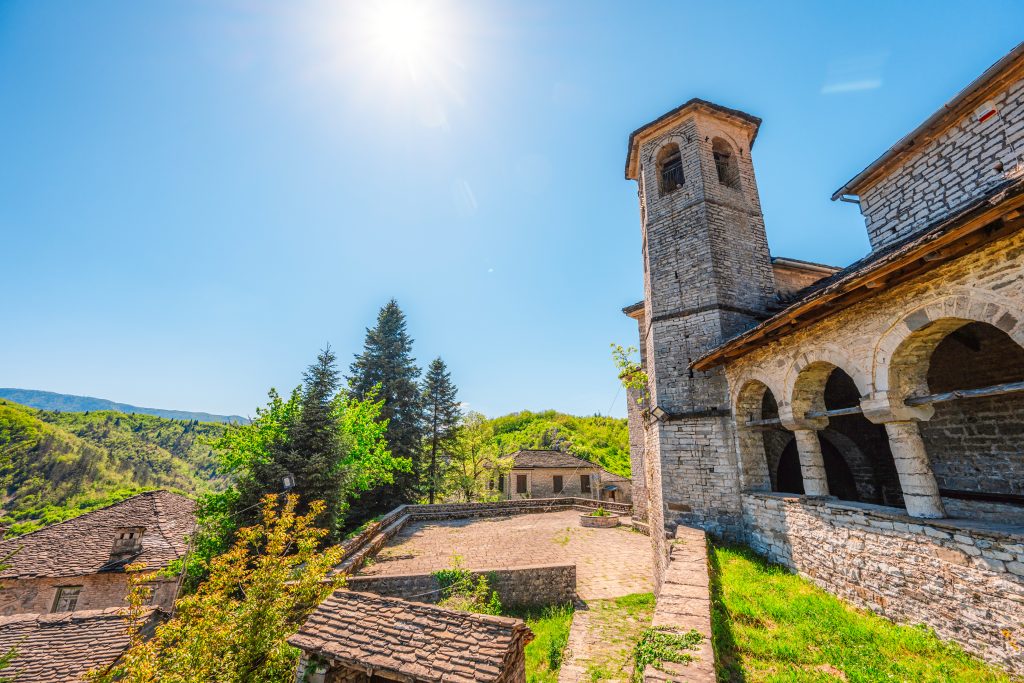
The Zagori region is famous for its distinctive architectural style: grey stone houses, slate roofs, arched bridges, and pedestrian-only cobblestone lanes known as kalderimia. Each village has safeguarded its architectural identity for centuries, thanks to strict preservation rules that keep modern alterations at bay. Walking through these settlements feels like stepping into a living, breathing historical museum—one that is still home to traditions, folklore, and a unique cultural rhythm.
A Sanctuary of Nature
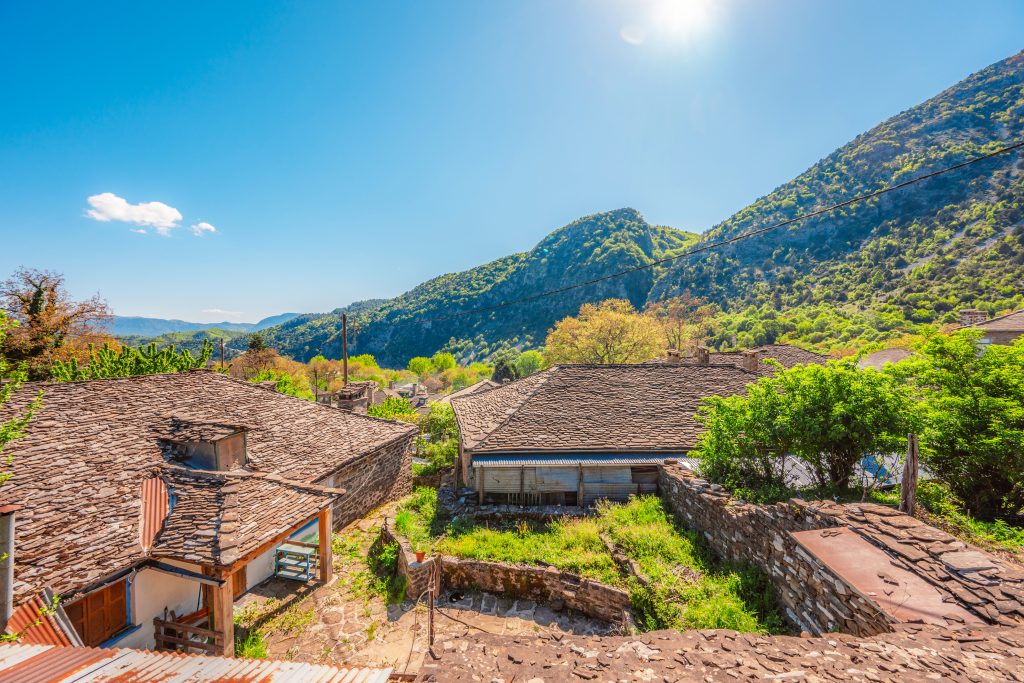
Zagorochoria is a paradise for anyone seeking immersion in nature. The forests are dense and vividly green through spring and summer, while autumn sets the mountains ablaze with warm shades of gold, rust, and red. Winter transforms the landscape into a fairytale tableau, as snow dusts the peaks and village rooftops. Rivers, springs, waterfalls, canyons, and alpine meadows weave throughout the region, offering endless opportunities for exploration.
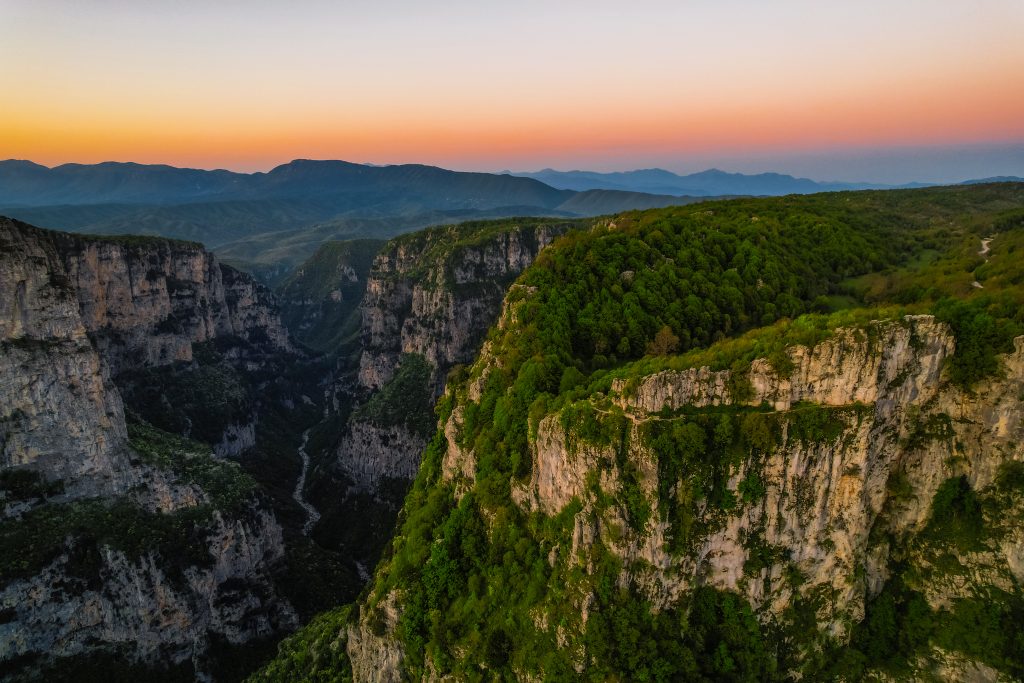
The most famous natural wonder is the Vikos Gorge—a UNESCO-recognized site and one of the deepest gorges in the world in proportion to its width. Standing on one of its many viewpoints, you are greeted by a dramatic panorama of vertical limestone walls dropping sharply into a serpentine riverbed. It is a landscape that inspires awe and humility.
An Escape From Modern Rush
Although increasingly popular among travelers, the Zagori villages remain peaceful and calm. Life moves at a slower pace, where mornings begin with the aroma of mountain herbs and evenings unfold around fireplaces in stone guesthouses. For visitors yearning to disconnect from noise, stress, and the urban rush, Zagorochoria offers a soothing, grounding retreat.
Exploring the Villages: Highlights of the Zagori Region
Every village in the region has its own personality, but several stand out for their unique charm and accessibility.
Papigo (Megalo & Mikro Papigo)
Perhaps the most iconic of the Zagori villages, Papigo sits at the foot of the impressive Towers of Astraka—a series of vertical rock formations that dominate the skyline. The larger village, Megalo Papigo, is known for its picturesque stone alleys, traditional guesthouses, and idyllic viewpoints. Mikro Papigo, just a short walk away, is quieter and more intimate, with breathtaking views of the mountains.
Between the two villages lie the natural “Ovires Rogovou,” also known as the Rock Pools of Papigo. These limestone formations filled with crystal-clear water are irresistible in warm months and a photographer’s dream all year long.
Dilofo
Dilofo is one of the best-preserved villages in Zagori, renowned for its authentic atmosphere and absence of cars in the main settlement. Built amphitheatrically on two hills, its stone houses and narrow passageways create a maze-like charm. Walking through Dilofo can feel like teleporting centuries into the past—quiet, contemplative, and impressively intact.
Monodendri
Often described as one of the gateways to the Vikos Gorge, Monodendri serves as a starting point for several major hiking trails. Its stone-built center, lively tavernas, and views toward the canyon make it a favorite for travelers. From here, you can visit the iconic Agia Paraskevi Monastery, perched dramatically on the cliff edge, offering a stunning panoramic balcony overlooking the gorge.
Vikos Village
A small but spectacular village, Vikos is most famous for its vantage point above the gorge and its proximity to the path that leads to the crystal-clear springs of the Voidomatis River. This short but rewarding trek is one of the most scenic in Greece, as it snakes between steep limestone walls and lush vegetation.
Kipi
Kipi is the village of bridges—a crossroads of old stone pathways and the starting point for some of the region’s most scenic river trails. The area is home to several historic bridges, including the three-arched Kalogeriko Bridge, which stands out for its elegance and engineering. Kipi is also surrounded by quiet footpaths, making it ideal for leisurely nature walks.
Tsepelovo
As one of the largest villages of Zagori, Tsepelovo offers a lively glimpse into local tradition and culture. It has a beautiful main square, charming stone mansions, and traditional cafés that capture the essence of village life. The surrounding trails make it excellent for hikers seeking less-crowded routes.
Activities and Experiences: What to Do in Zagorochoria
Whether you’re an adventurer, a nature lover, a foodie, or a culture enthusiast, Zagori offers a wide range of enriching experiences.
Hiking Through Ancient Trails
Zagorochoria is a paradise for hikers, thanks to its intricate network of marked trails that link villages, forests, rivers, and mountain peaks. Highlights include:
- The Vikos Gorge Crossing: A challenging but unforgettable route that traverses the length of the gorge.
- Hike to the Voidomatis Springs: A short, magical trail leading from Vikos village to the blue-green source of one of Europe’s cleanest rivers.
- Trail from Monodendri to Kipi: A scenic journey through forests, stone paths, and historic bridges.
These hikes cater to all levels, from gentle strolls to strenuous day-long adventures.
Exploring Stone Bridges
The handmade stone bridges of Zagori, built mainly in the 18th and 19th centuries, are masterpieces of folk architecture. Their elegant arches were engineered with remarkable skill, enabling villagers to cross rivers even during the rainy seasons. The most famous include:
- Kalogeriko Bridge (three arches)
- Kokkoris Bridge
- Plakidas Bridge
- Misios Bridge
Each bridge tells a story of craftsmanship, community, and survival in a mountainous landscape.
Savoring Local Cuisine
Zagori’s gastronomy is simple, rustic, and deeply connected to the land. Do not miss:
- Traditional pies, known as “pites,” filled with greens, cheese, mushrooms, or herbs
- Local cheeses, including Metsovone and goat cheeses
- Slow-cooked meats, especially lamb and rooster
- Homemade spoon sweets, berry preserves, and local honey
Meals often take place in stone-built tavernas with fireplaces and mountain views, making the experience even more memorable.
Relaxing in Traditional Guesthouses
Most accommodations in Zagorochoria are restored stone mansions turned into guesthouses. Thick stone walls, wooden ceilings, fireplaces, and warm textiles create a cozy ambiance perfect for unwinding after exploring the mountains. Many offer homemade breakfasts crafted with local ingredients.
River Activities & Outdoor Sports
Depending on the season, you may also enjoy:
- Rafting on the Voidomatis River
- Horseback riding through forest paths
- Canyoning and river trekking
- Mountain biking
- Summer swims in natural rock pools
The region supports both adventurous and relaxing outdoor activities.
When to Visit Zagorochoria
Each season in Zagori paints the region with its own palette and atmosphere:
Spring
Spring brings a burst of life: wildflowers, fresh greenery, flowing rivers, and ideal temperatures for hiking. It is one of the best seasons for photographers and nature lovers.
Summer
Unlike much of Greece, Zagorochoria remains cool and refreshing due to its altitude. Summer is perfect for swimming in rock pools, river activities, and long days of exploration.
Autumn
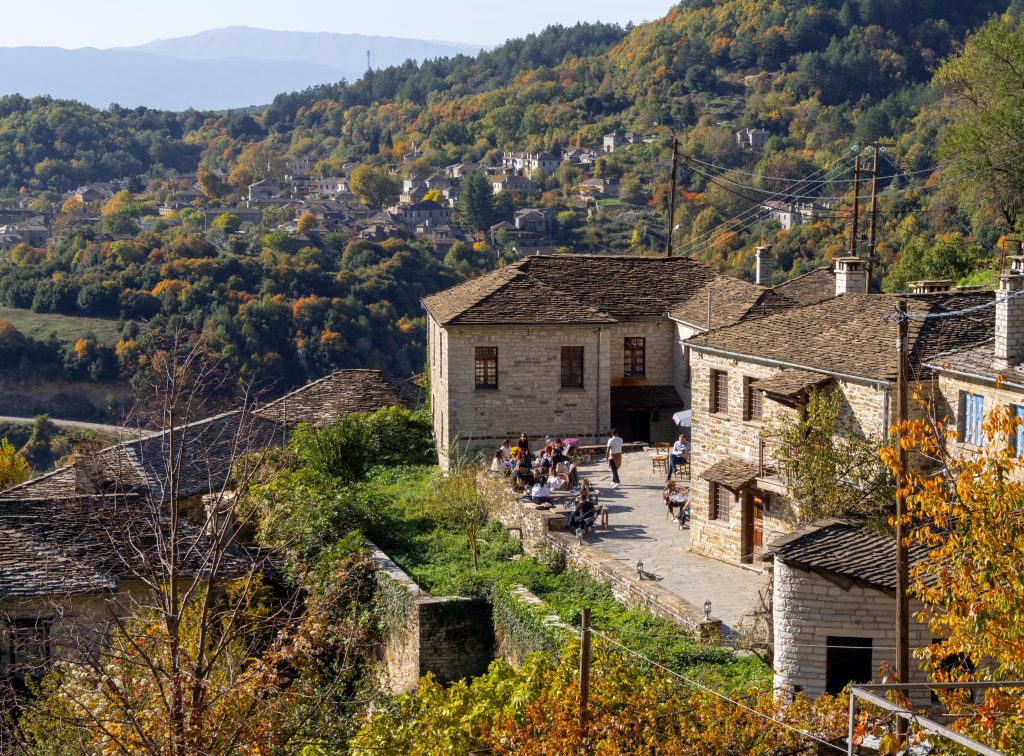
Perhaps the most magical season, autumn transforms the forests into golden-red displays of color. Fewer tourists, cool air, and breathtaking landscapes make it ideal for road trips and photography.
Winter
Winter brings snow and transforms the villages into alpine scenes. Fires crackle in stone guesthouses, and short hikes are peaceful and serene. Winter is perfect for those seeking atmosphere, coziness, and a scenic escape.
Practical Tips for Planning Your Trip
Start from Ioannina: The city is the gateway to the villages and the easiest point of access.
Rent a car: Public transportation does not cover all villages, and the best way to explore the region’s hidden spots is by road.
Stay in multiple villages: Each settlement offers a different experience—staying in more than one can help you appreciate the diversity of the region.
Try local food in small tavernas: You will get a far more authentic and memorable culinary experience.
Take your time: The villages are small, but the real magic lies in exploring them slowly—walking their paths, talking to locals, enjoying the sunsets, and experiencing the silence of the mountains.
Zagorochoria is not just a destination—it is a journey into Greece’s natural soul. With its dramatic landscapes, ancient stone villages, hiking trails, rivers, bridges, and rich cultural heritage, it invites travelers to slow down, reconnect with nature, and embrace a simpler, deeper way of living. Whether you visit for a weekend escape or a longer retreat, the mountains of Zagori will leave you with images, emotions, and memories that linger long after you have returned home.